
A CALM IN THE STORM
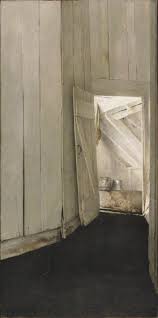
“Modernism wasn’t just a style—it was a way of thinking, a way of life,” expounds Jessica Todd Smith in a video on the Philadelphia Museum of Art website. Smith, who is the curator of the current PMA show, “Modern Times: American Art 1910-1950” (on view until September 3), also refers to the “beautiful chaos of innovation.” Those four decades were, indeed, chaotic: two world wars, the Soviet revolution, the Great Depression, social upheavals, the emergence of mass production and the consumer society. Where did this stormy time leave the artist? Adrift, judging from this show. Museums don’t pipe-in music (except in the gift shop),



 We recently replaced a kitchen faucet. The product is a typical example of globalization. The ceramic cartridge—the soul of a faucet—is made in Hungary, the aerator comes from Italy, and the rest of the faucet was manufactured and assembled in China. The company that markets the faucet, despite its name—Kräus—is not German but American, based on Long Island. I believe that the design is American, too, although the inspiration is German. It reminds me of the door and window handles that Walter Gropius designed in 1923. By the way, it’s an excellent faucet.