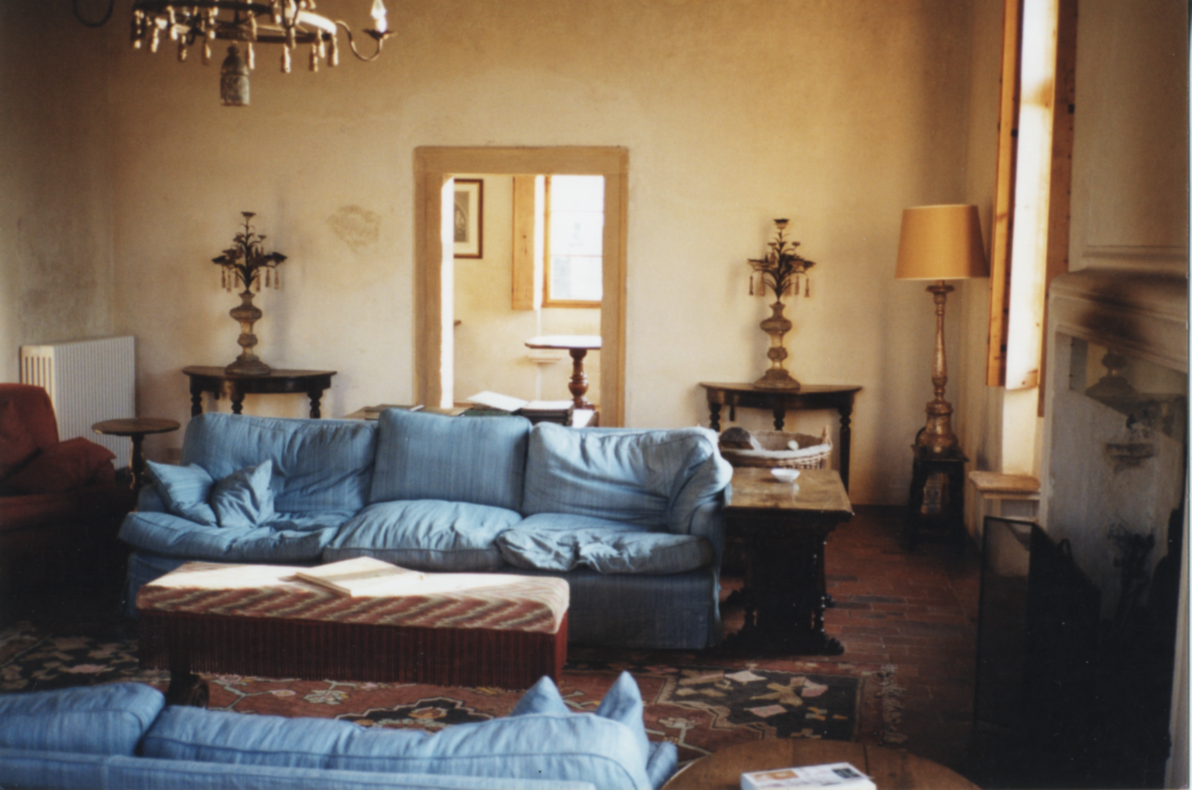
INVISIBLE DECOR

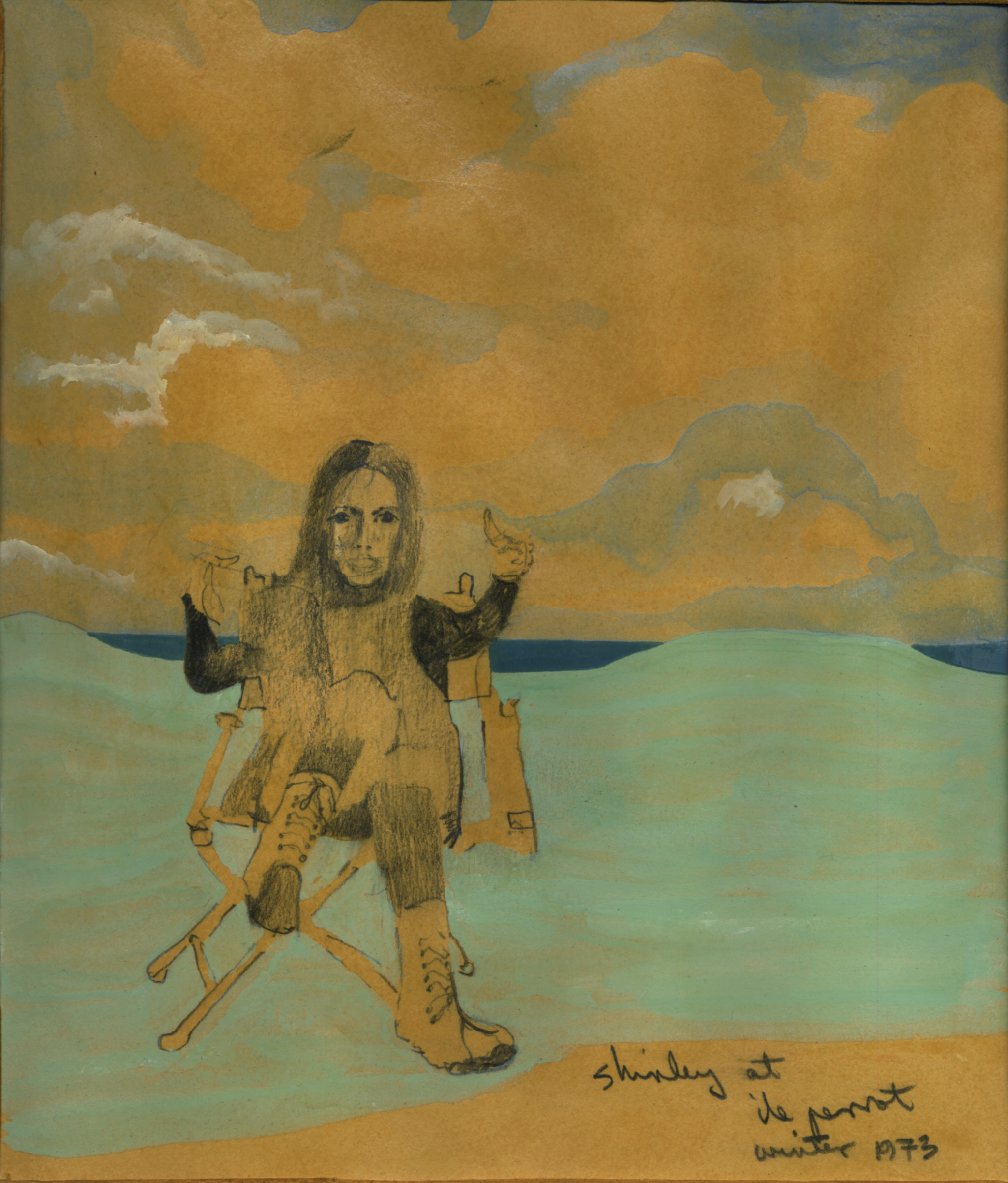
Years ago I had an unexpected satori. It occurred in the beachside clubhouse of Windsor, an upscale resort community in Florida. It was a most pleasant room, relaxed, quietly comfortable, a place to relax. I learned later that it was the work of the grande dame of New York decorators (whose name I now can’t recall). Aha, I thought, now I understand—great interior decoration is invisible. It reminded me of something that my friend Marc Appleton said, “I’ve always admired Billy Wilder’s direction because you’re not aware of it, only the story he’s telling.” Describing his own house Marc told me “I hope it doesn’t look like an architect had anything to do with it.” Another satori occurred when Shirley and I spent a week in Andrea Palladio’s Villa Saraceno (see the living room above).


Read more

STARCHITECTS

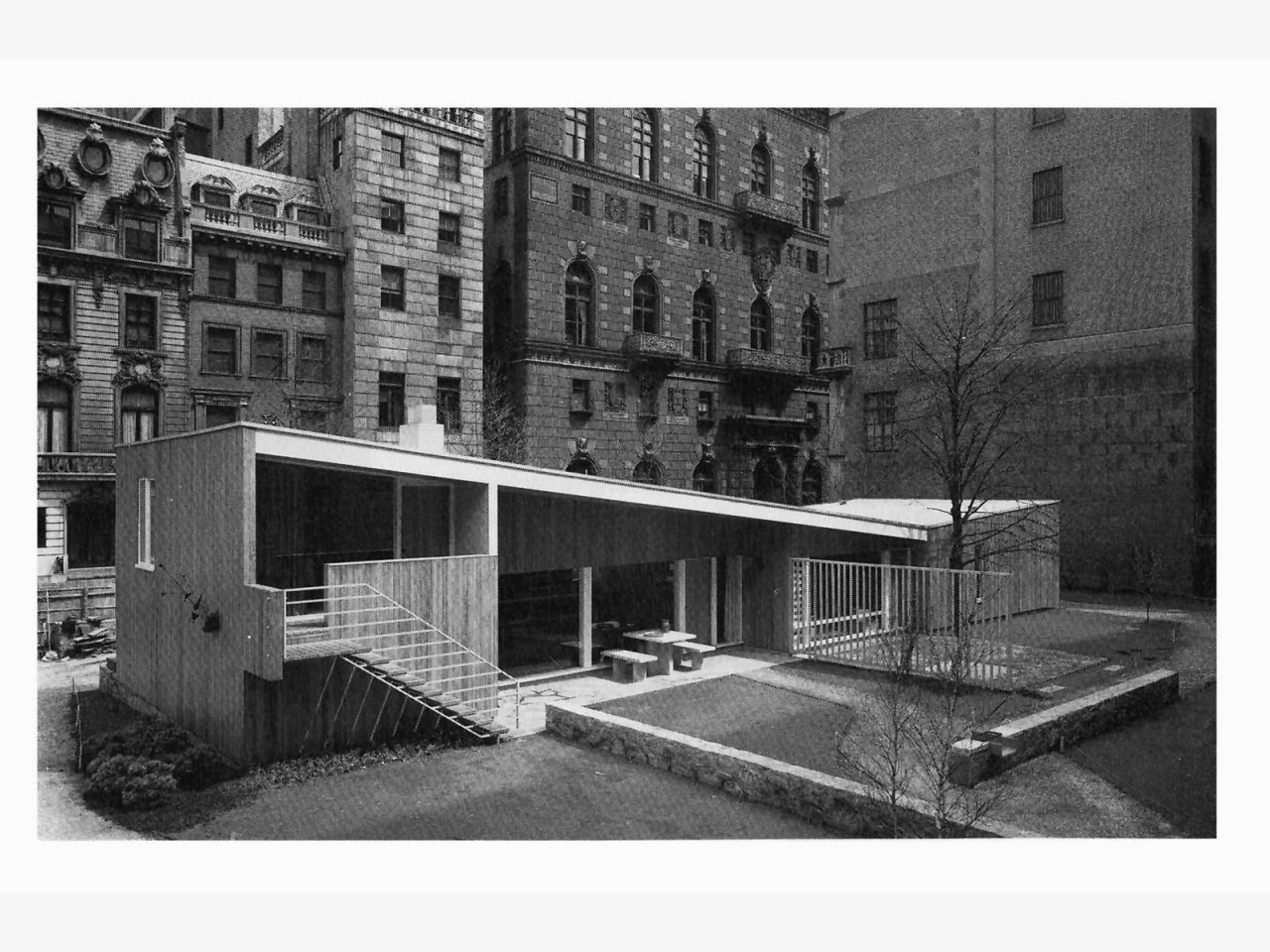
I’ve recently come across several articles on the demise of the starchitect. While this may or may not be true, what strikes me is the general misunderstanding of the starchitect phenomenon. It is not a plot to promote certain architects. It is not a media invention. It is not a system. It is not merely a reflection of celebrity culture. The term ”star” derives from Hollywood. The movie star is an actor or actress who achieves exceptional public name recognition. This is ultimately an economic measure because it means that, all things being equal, the participation of a star in a proposed movie can make it bankable.

Read more

SATORI ON LOCUST STREET

With apologies to Jack Kerouac. In Satori in Paris, one of his last books, he describes the Japanese word satori, or sudden illumination, as a “kick in the eye.” Précisement! I was sitting in an Uber, being driven down Locust Street. We passed by a three-story building, probably built in the 1970s, a handsome composition in brick and precast concrete trim. Not bad, I thought, at least it’s not just glass, which seems to be the one-note tune played by architects today. A few seconds later we drove by another building, . This one was taller—five storyies and older,

Read more

MAKE ME AN ANGEL

 I’ve been re-watching that excellent TV series, Ozark. The last episode included one of the characters—actually his ghost, there’s a lot of dead people in Ozark—singing a song whose melody was familiar although I couldn’t place it immediately. It was John Prine’s “Angel from Montgomery.” The mournful music evoked my Shirley, who loved Prine. I think it was his ironic lack of sentimentality that appealed to her. She also liked Joe Cocker, Randy Newman, Blossom Dearie, anything by Cole Porter. And Janis, whom she heard at Woodstock.

Read more

A HUNGARIAN ARCHITECT IN AMERICA

I watched The Brutalist yesterday. My reaction? An implausible story poorly told and awkwardly stitched together; the Holocaust connection seemed gratuitous; a ham-handedly written script, the audience actually snickered at some of more pompous utterances of the Guy Pearce character; distracting bursts of portentous music at odd moments; and glitches, like Tóth saying square meters when he knows his audience understands only square feet, or producing the kind of expressionistic sketches that are out of character for a Bauhaus-trained architect—more like something the great Eric Mendelsohn would draw. As for the title, while Tóth was definitely brutalized, it made no sense to me,

Read more

CLICK, CLICK, CLICK

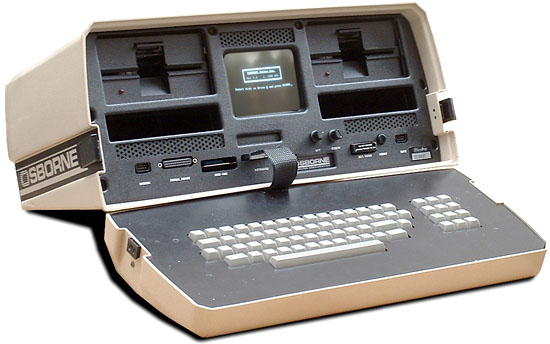
My first computer, we’re talking 1983, was an Osborne 1. It was billed as a portable, in the sense that it was designed to take a beating, and you could carry it around—well, not far, it was the size of a sewing machine and weighed twenty-five pounds. It had two drives for floppy discs and a monochrome screen that was smaller than a postcard. No battery and no fan. The design had a no-nonsense military feel, like an Army jeep. On top of that the $1,795 price included bundled software: CP/M, WordStar, and SuperCalc. But what I liked most about it was the full-size keyboard,

Read more

THE NEW YORK POST RECOMMENDS

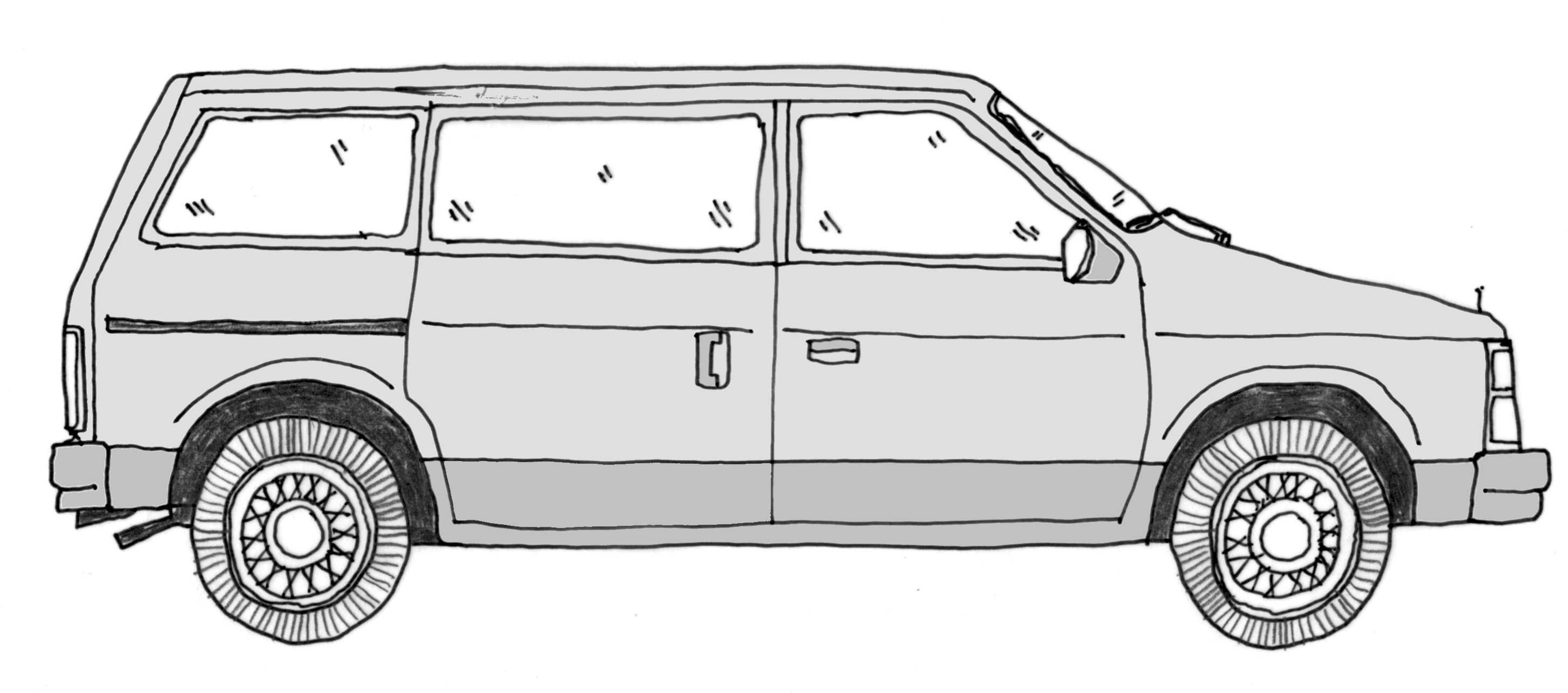
On a list of the “best books to gift to the readers in your life this Christmas,” the New York Post includes The Driving Machine which shares a spot among the nonfiction picks with Erik Larson and Malcolm Gladwell. “Acclaimed design writer Rybczynski traces the evolution of automobile, from Carl Benz’s three-wheel motorcar in 1885 to modern EVs. On the journey, he stops to focus on various icons, such as Ford’s Model T, the VW bus, the Mini Cooper and even, gasp, a Chrysler minivan.”

Read more

SLUM CADILLACS

Back in 1978 I took part in Stewart Brand’s Whole Earth Jamboree. The deal was you could speak about any subject you wanted, but for no more than 5 minutes. Here is what I said.

I’d like to talk to you today about slum Cadillacs and technological incongruity. In the 50s it was quite fashionable to study slums and the people who lived in them. One of the startling facts that came out of those studies was that a lot of poor people drive Cadillacs. What’s interesting is the kind of reaction that people gave to this fact.

Read more