WHAT ABOUT THE BUILDING?

The other day I was delighted to discover an Australian journal article about a country house that Romaldo Giurgola designed for himself in 2004, when he was eighty-five. As far as I know this was the first home he had designed for himself and I hoped to learn something about the house. Unfortunately the article was written by two history-theory docs. It had no proper plan, and little explanation of the actual design of the house. Instead, it was laden with long quotes from a bevy of architectural scholars. The usual suspects. Why do articles by history-theory types all have basically identical bibliographies?

Read more

INVISIBLE DECOR

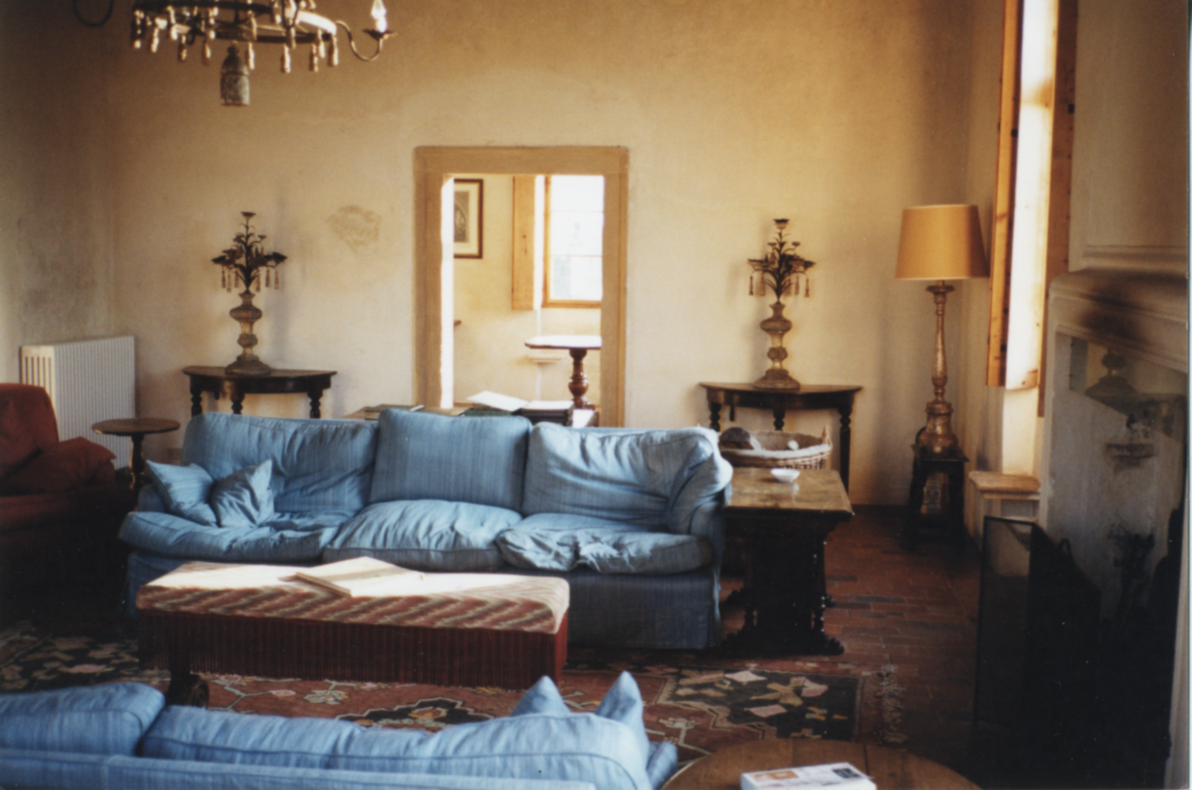
Years ago I had an unexpected satori. It occurred in the beachside clubhouse of Windsor, an upscale resort community in Florida. It was a most pleasant room, relaxed, quietly comfortable, a place to relax. I learned later that it was the work of the grande dame of New York decorators (whose name I now can’t recall). Aha, I thought, now I understand—great interior decoration is invisible. It reminded me of something that my friend Marc Appleton said, “I’ve always admired Billy Wilder’s direction because you’re not aware of it, only the story he’s telling.” Describing his own house Marc told me “I hope it doesn’t look like an architect had anything to do with it.” Another satori occurred when Shirley and I spent a week in Andrea Palladio’s Villa Saraceno (see the living room above).

Read more

GETTING IT RIGHT

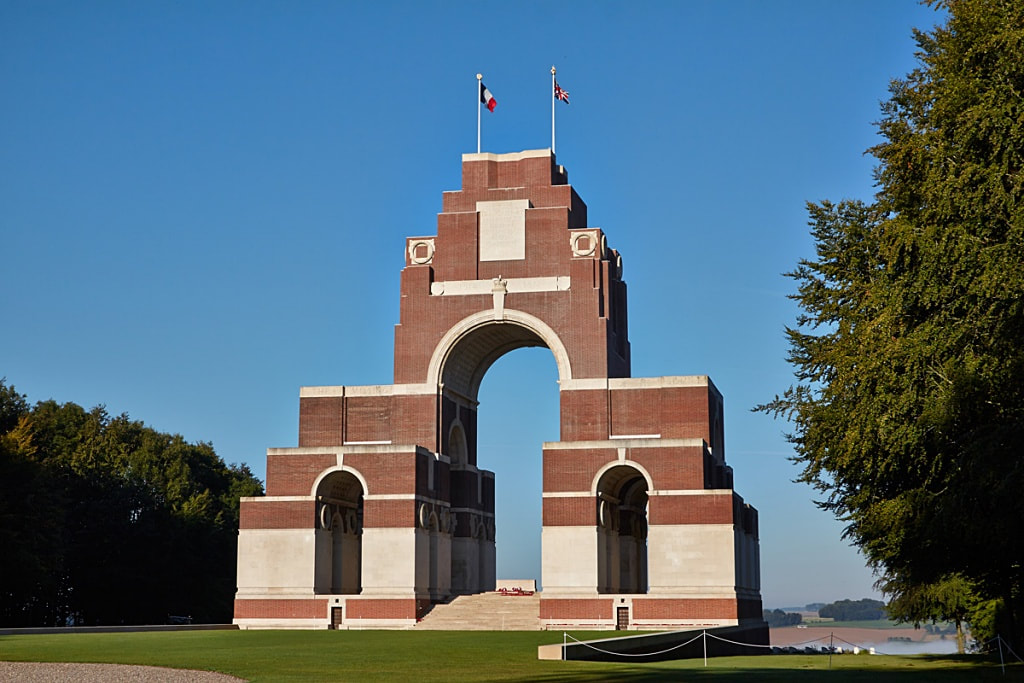
An article in The Architects Newspaper titled “How Trump’s arch gets classical wrong” gets it wrong. I’m not here to defend the design of the memorial arch proposed for a site near the Arlington National Cemetery, but to say that the arch represents “category error” because it doesn’t commemorate a military victory, like its inspiration, the Arc de Triomphe and the ancient Roman original, the Arch of Titus, is misleading. There have been several twentieth-century arches that do not commemorate victorious battles. The National Memorial Arch at Valley Forge, designed by Paul Philippe Cret and inaugurated in 1917 doesn’t,

Read more

LIBRARY TOWER

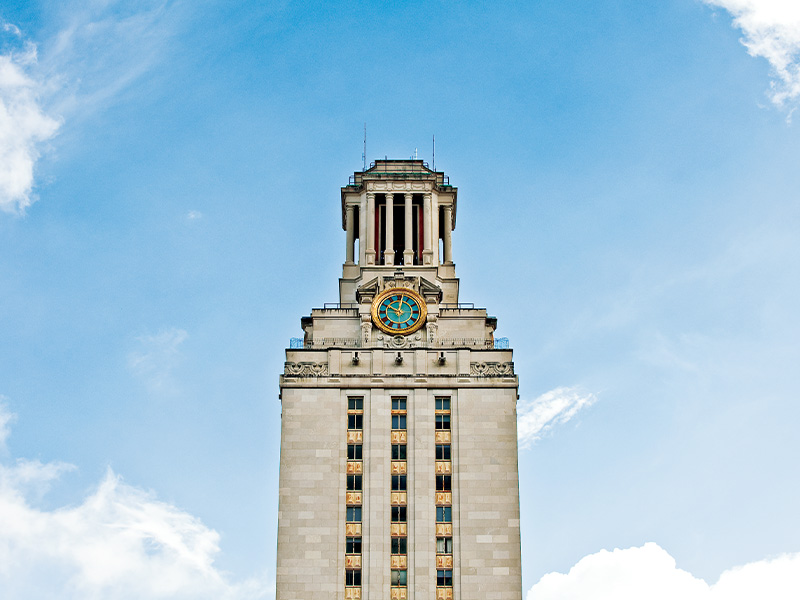
A design for the Trump Presidential Library has been unveiled: a highrise tower in downtown Miami. It’s an original idea that puts me in mind of Henry Van de Velde’s Booktower for Ghent University, Paul Cret’s library tower at UT Austin (above), and Charles Klauder’s Cathedral of Learning at the University of Pittsburgh, although the last is not a library. Klauder’s building is Gothic, Cret’s is stripped classical, and Van de Velde’s is his Art Nouveau-jnfluenced brand of early modern. Oddly enough the Miami tower is neither classical nor traditional but a warmed-over “contemporary” highrise.

Read more

STARCHITECTS

I’ve recently come across several articles on the demise of the starchitect. While this may or may not be true, what strikes me is the general misunderstanding of the starchitect phenomenon. It is not a plot to promote certain architects. It is not a media invention. It is not a system. It is not merely a reflection of celebrity culture. The term ”star” derives from Hollywood. The movie star is an actor or actress who achieves exceptional public name recognition. This is ultimately an economic measure because it means that, all things being equal, the participation of a star in a proposed movie can make it bankable.

Read more

ONE THING ON TOP OF ANOTHER

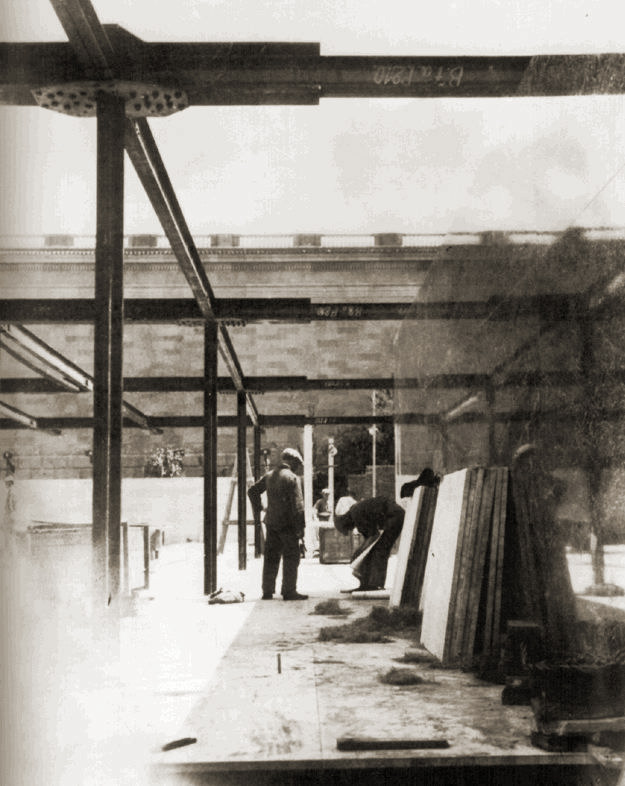
In his 1977 classic, Morality and Architecture, the late historian David Watkin, while discussing the early roots of European modernism, wrote: “Here is a belief that design, which is surely of its very nature contrived, ought somehow to be ‘honest’ and uncontrived.” The notion of honesty, whether in structure or materials, is one of the tenets of modernism, from Frank Lloyd Wright to Louis Kahn. Yet one of the basic architectural decisions has always been what to reveal and what to conceal (such as in Mies’ beautiful Barcelona Pavilion, under construction above). With the exception of igloos and log cabins,

Read more

FEDERAL BUILDINGS

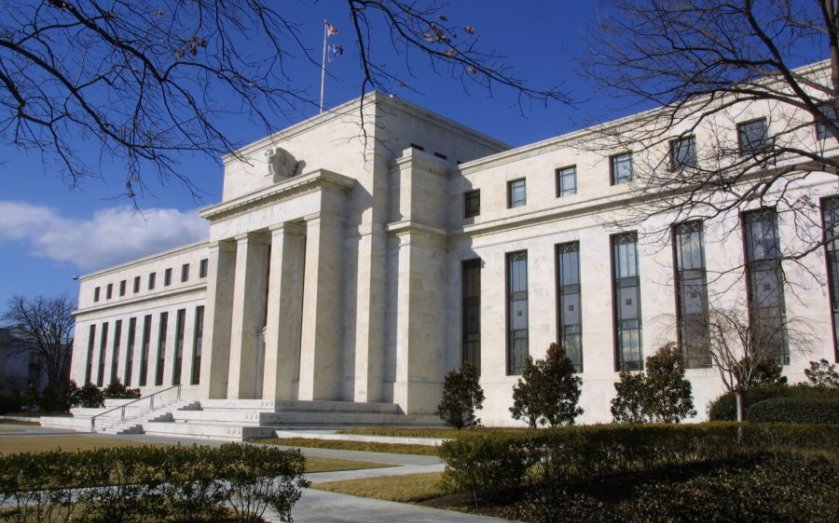
It is not unreasonable to conclude that something went terribly wrong with the architecture of federal buildings in the (modernist) postwar era, producing clunkers such as the FBI Building, the HUD Building, and the Forrestal Building in Washington DC, and various bland federal buildings around the country. Surely prewar classical buildings represented something better? So, it is not unreasonable for the President to lead the conversation, taking the baton from Jefferson and FDR, who both had strong architectural opinions.

It is important to recognize that a “solution” will be complicated. Not easy to define what made those old buildiongs good;

Read more

SATORI ON LOCUST STREET

With apologies to Jack Kerouac. In Satori in Paris, one of his last books, he describes the Japanese word satori, or sudden illumination, as a “kick in the eye.” Précisement! I was sitting in an Uber, being driven down Locust Street. We passed by a three-story building, probably built in the 1970s, a handsome composition in brick and precast concrete trim. Not bad, I thought, at least it’s not just glass, which seems to be the one-note tune played by architects today. A few seconds later we drove by another building, . This one was taller—five storyies and older,

Read more