
POP GOES THE WEASEL
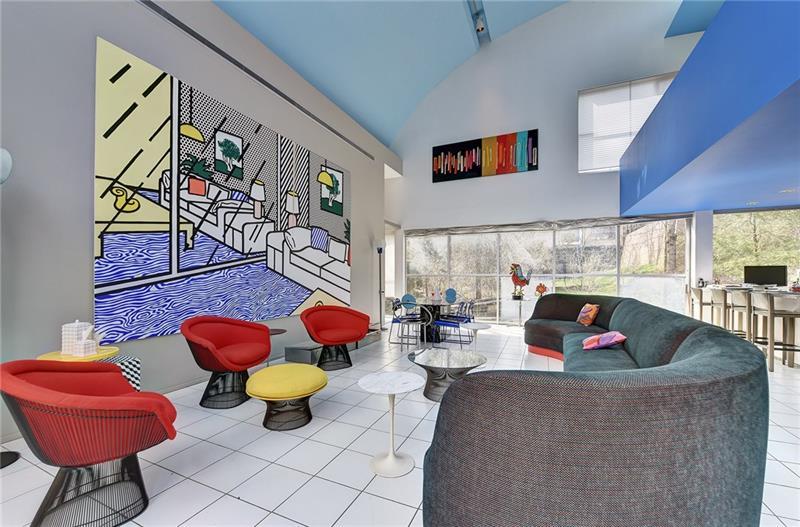
News that the Abrams House in Pittsburgh, designed by Venturi, Rauch and Scott Brown in 1979, has been sold and is to be demolished. Apparently, the new owner, who lives in the adjacent Giovannitti House (designed by Richard Meier) wants to enlarge his garden—the original owner of the Giovannitti House had sold the back part of his lot to the Abrams. Or maybe he just wanted to get rid of an eyesore? Venturi’s postmodern antics do not age particularly well. I was struck by the presence of a large (looks to be about 8 feet by 12 feet) painting by Roy Lichtenstein in the Abrams living room.
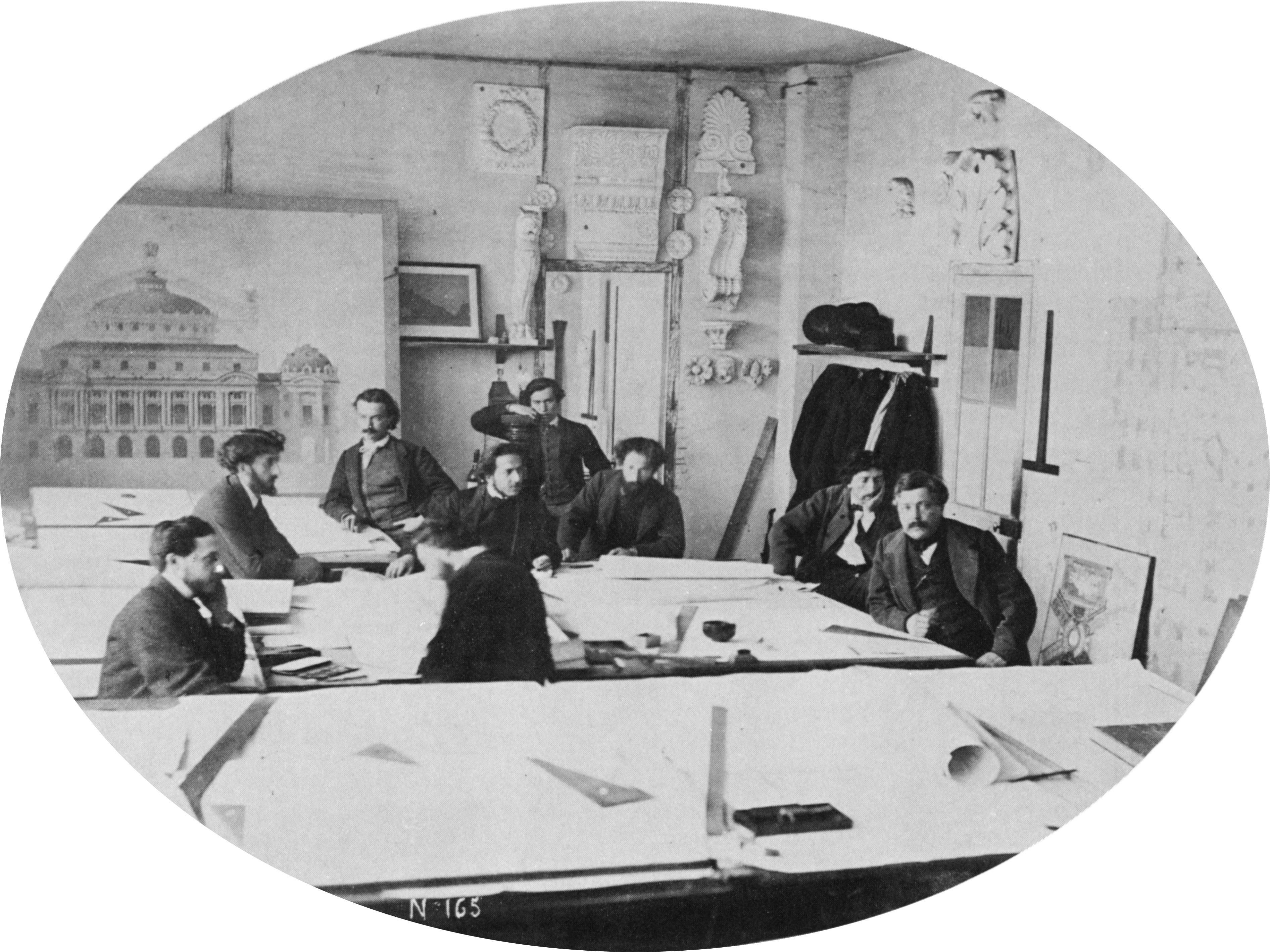

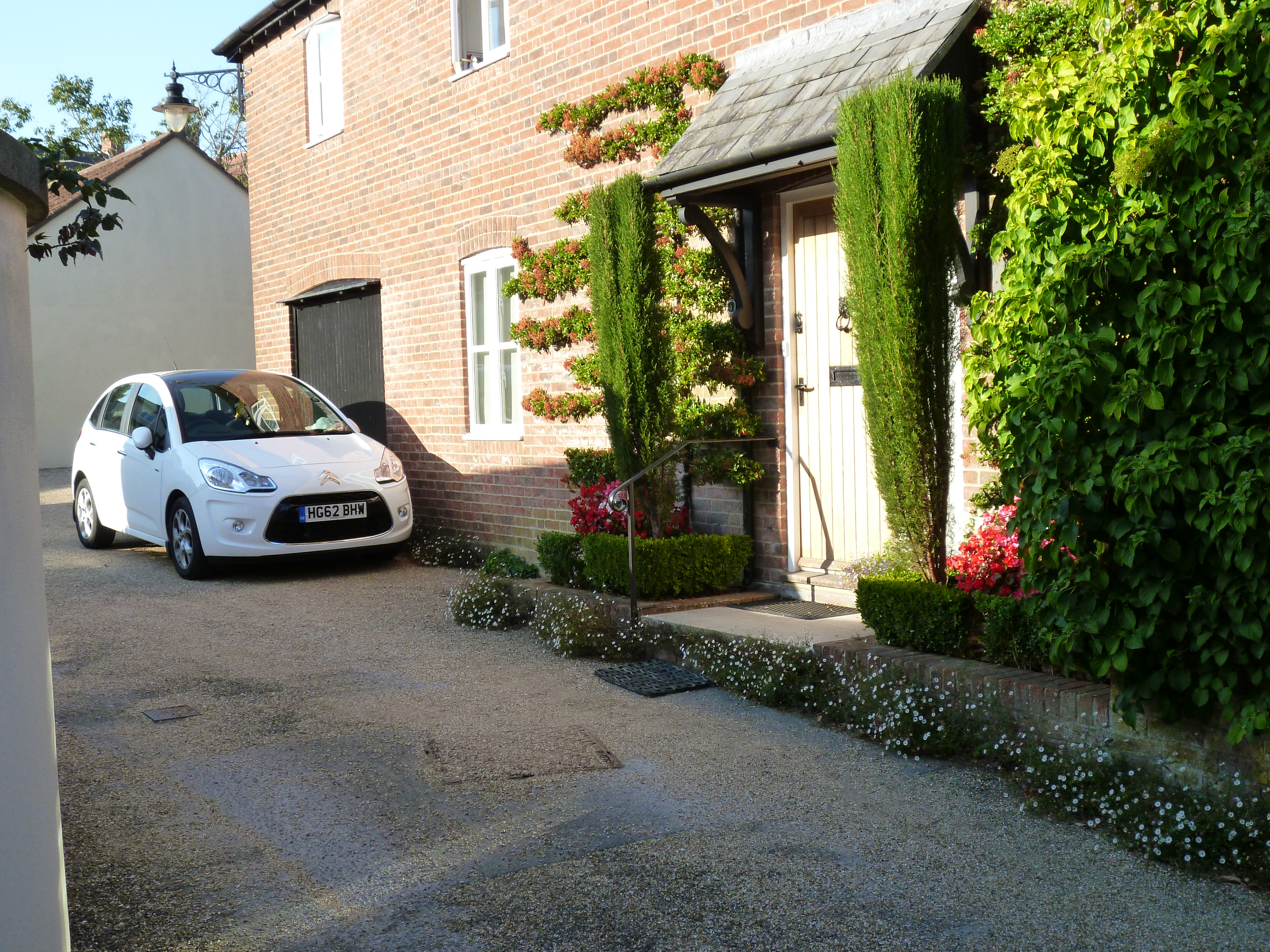
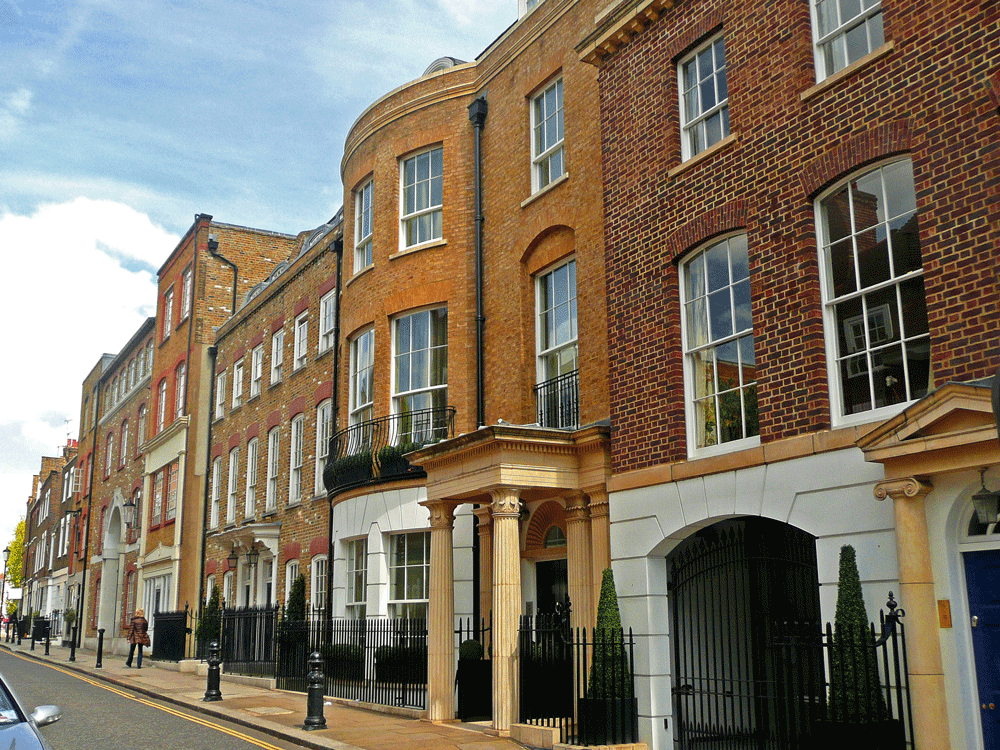
 This week the short list was announced for London’s new Center for Music, which will be the future home of the London Symphony Orchestra and the Guildhall School of Music and Drama. The usual suspects include Frank Gehry, Renzo Piano, Norman Foster, and Snøhetta. Traditionalists need not apply; that’s a shame. Léon Krier has recently
 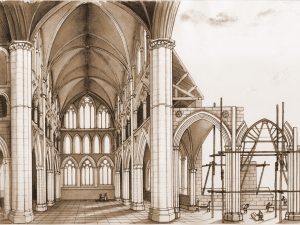 There is a long tradition of architectural research in structures—one thinks of Nervi, Candela, Torroja, and Frei Otto, the pioneers of concrete like Perret, and much earlier the Byzantine and Gothic builders. Architects have sometimes experimented successfully with new building techniques and materials (Rudolph invented striated concrete blocks; Foster was the first to use structural glass fins). But research into how people use buildings is rare. The profession has always recognized the value of so-called post-occupancy evaluation, and the need for knowledge based on how people actually behave in and use buildings. The problem has been that this kind of research is extremely complicated,