
A WARNING
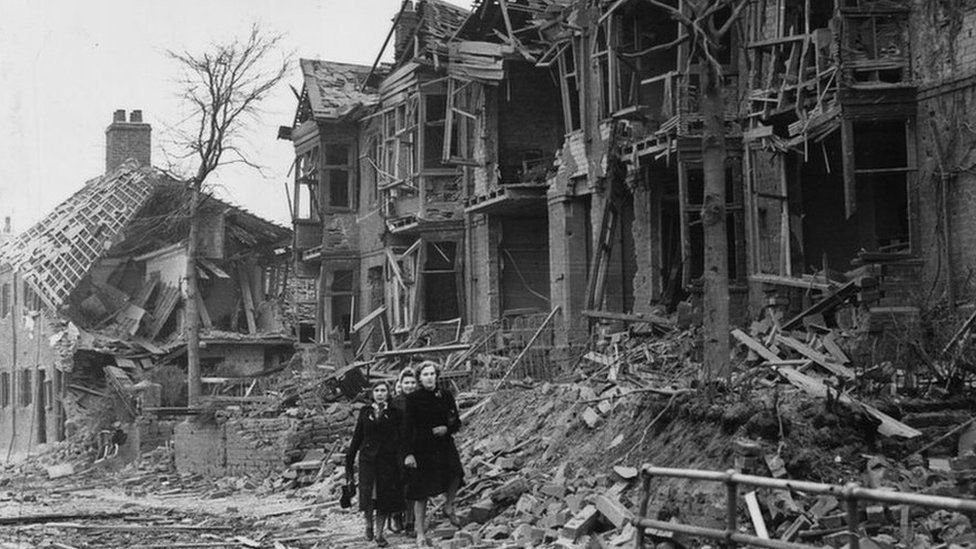
As Stephen Kotkin has observed, “There are two ways to destroy a city, bombing (Coventry 1940, above) and rent control.” A warning to New York voters.
LÉON KRIER, ARCHITECT AND TOWN PLANNER (1946-2025)
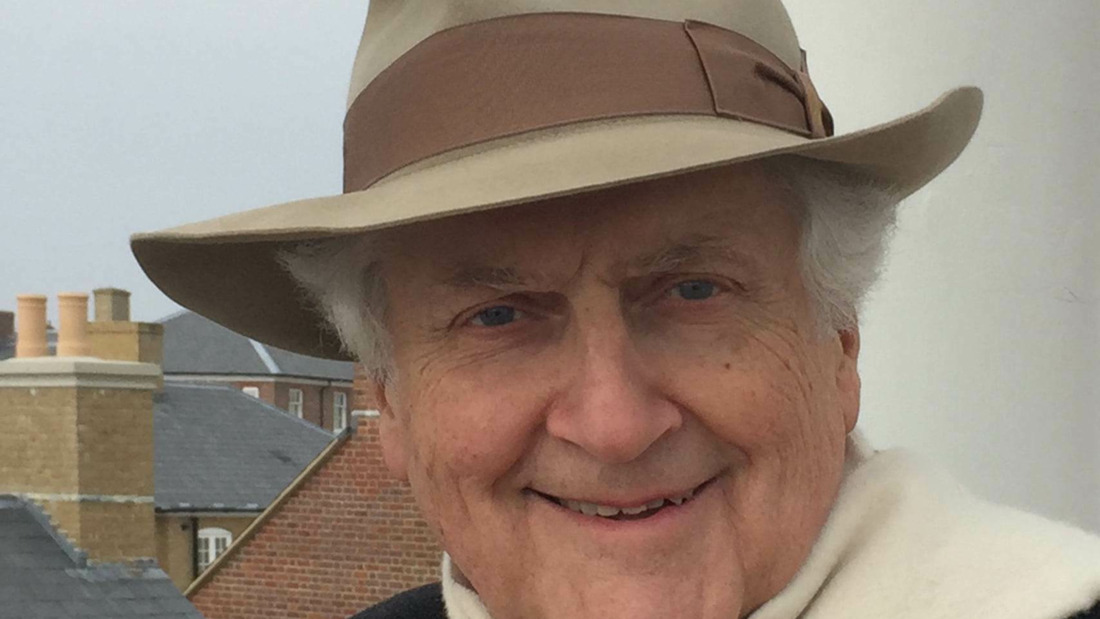
Léon Krier was a character. He dressed like an impresario, wrote like a pamphleteer, and drew like an angel. He happily stoked public controversy. His most famous bon mot was “I’m an architect, because I don’t build.” But he did build. The three buildings that I’ve seen of his—his own house, a town hall, and a university audiitorium—have a quality that seems to have eluded most of his traditional-minded contemporaries: originality. He was a classicist, but not a revivalist. He was original, too, in his thinking about town planning, to use an old-fashioned term he would have liked. To Krier, the principles of sound urban design were all known long ago—and didn’t need to be reinvented—the great challenge was how to accommodate the automobile. His solution was not to banish cars to the periphery, or to separate them from pedestrians, but to pragmatically insinuate them into the plan—under buildings, in buildings, beside buildings, on the street, and in ad-hoc car parks that were really squares. In a Krier plan such as Poundbury, the street plan appears at first picturesque and chaotic, but this is done with a singular purpose. The person on foot is king, the person behind the wheel is the interloper.
A COUNTRY PLACE AND ITS MAKERS
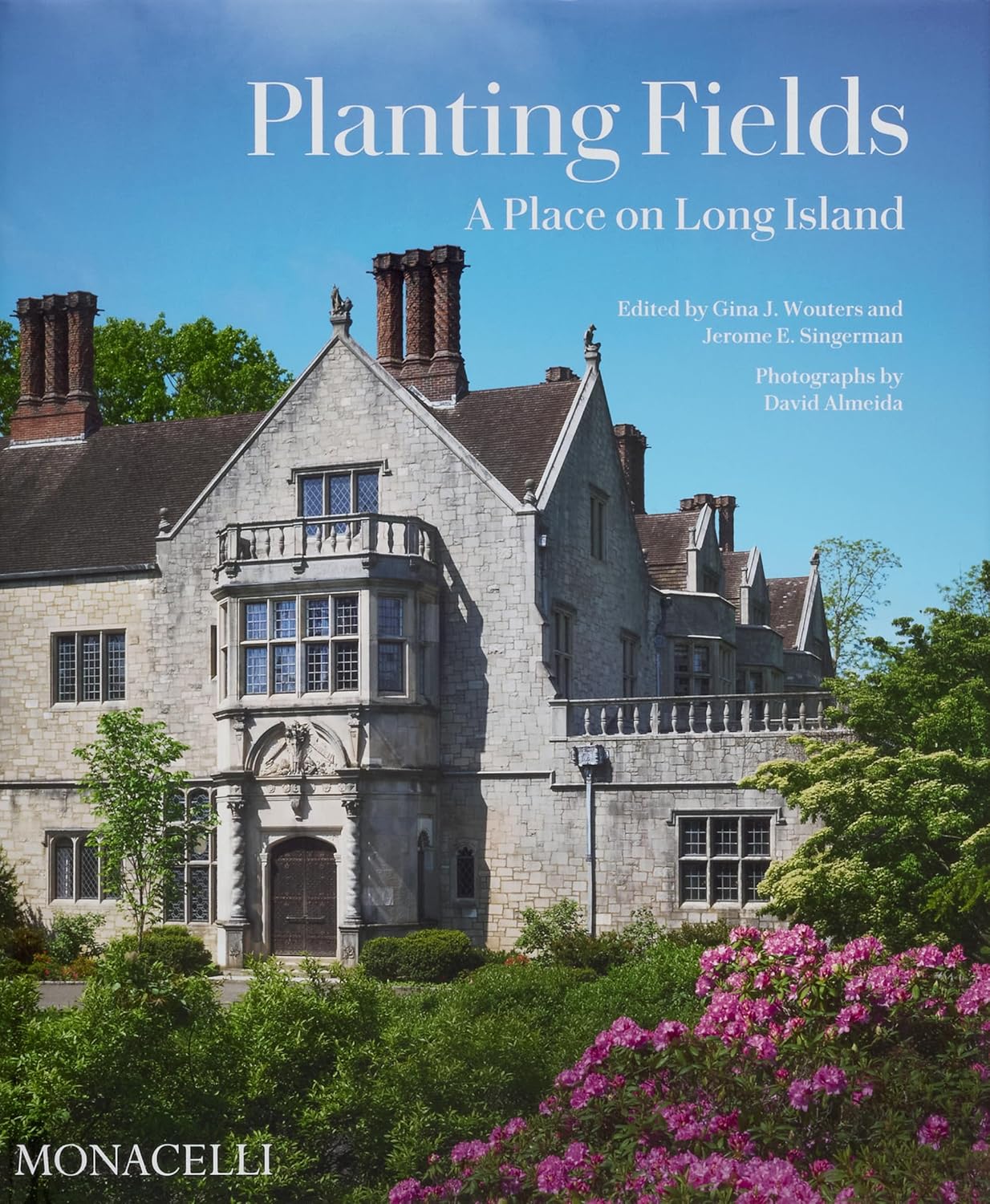
This month sees the publication by Monacelli of Planting Fields: A Place on Long Island. Gilded Age country estates on Long Island’s Gold Coast are not unusual—there were originally 500 of them—but this one is, not least because the house and its 400 landscaped acres have survived, more or less intact, now a public arboretum and state park. I contributed a chapter. I chose to tell the story of Planting Fields more like a novel than a design history. The characters matter: the enterprising Helen Byrnes who starts it all, the talented Grosvenor Atterbury and James Greenleaf who in several important ways set the architectural tone for the house and garden, the able Leon Gillette of Walker & Gillette, the persevering and adaptable Fred Dawson of Olmsted Brothers, the tragic Mai Coe, and of course William Coe, the tough, self-made businessman who develops a green thumb. And as in the plot of any good novel, nothing is inevitable and unexpected events overtake the best-laid plans.
.
CHARM AND GRANITE
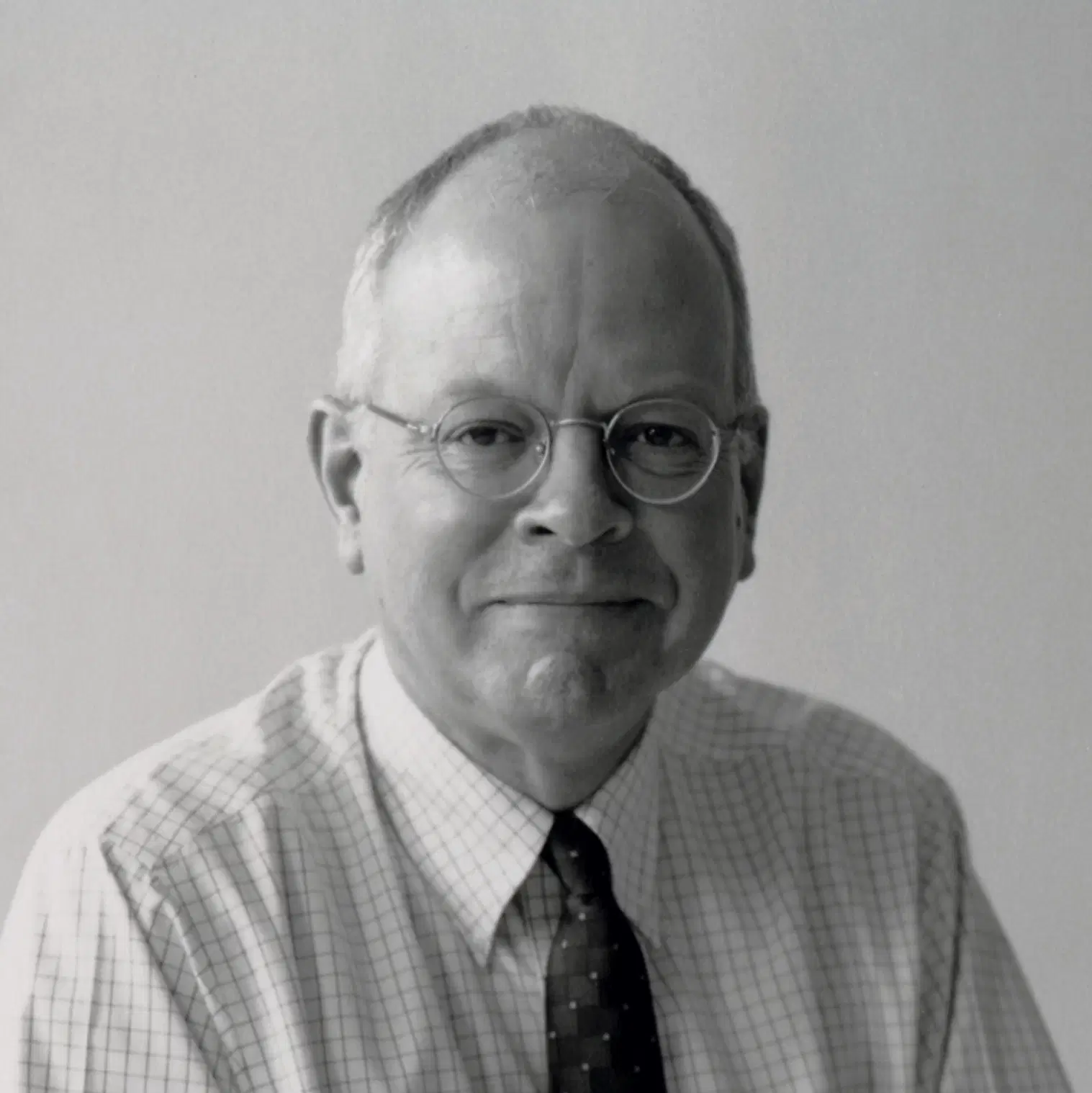
I was saddened to learn of the death of David Childs (1941-2025). He was the chair when I joined the Commission of Fine Arts, and an intelligent architect and a charming man. Reading the obituaries put me in mind of something I came across while writing The Biography of a Building, about the Sainsbury Centre for the Visual Arts, a very early Norman Foster design. Sir Hugh Casson, the dean of postwar British architects, had written a letter of recommendation for the young Foster, who was being considered for the job: “As you have already met him [Foster], you need not be told that he is a man of great energy, drive and enthusiasm, with enough granite beneath the charm to ensure consistency in any project to which he lays his hand.” Charm is a professional requirement for an architect; granite is a rarer attribute.
MAKE ME AN ANGEL
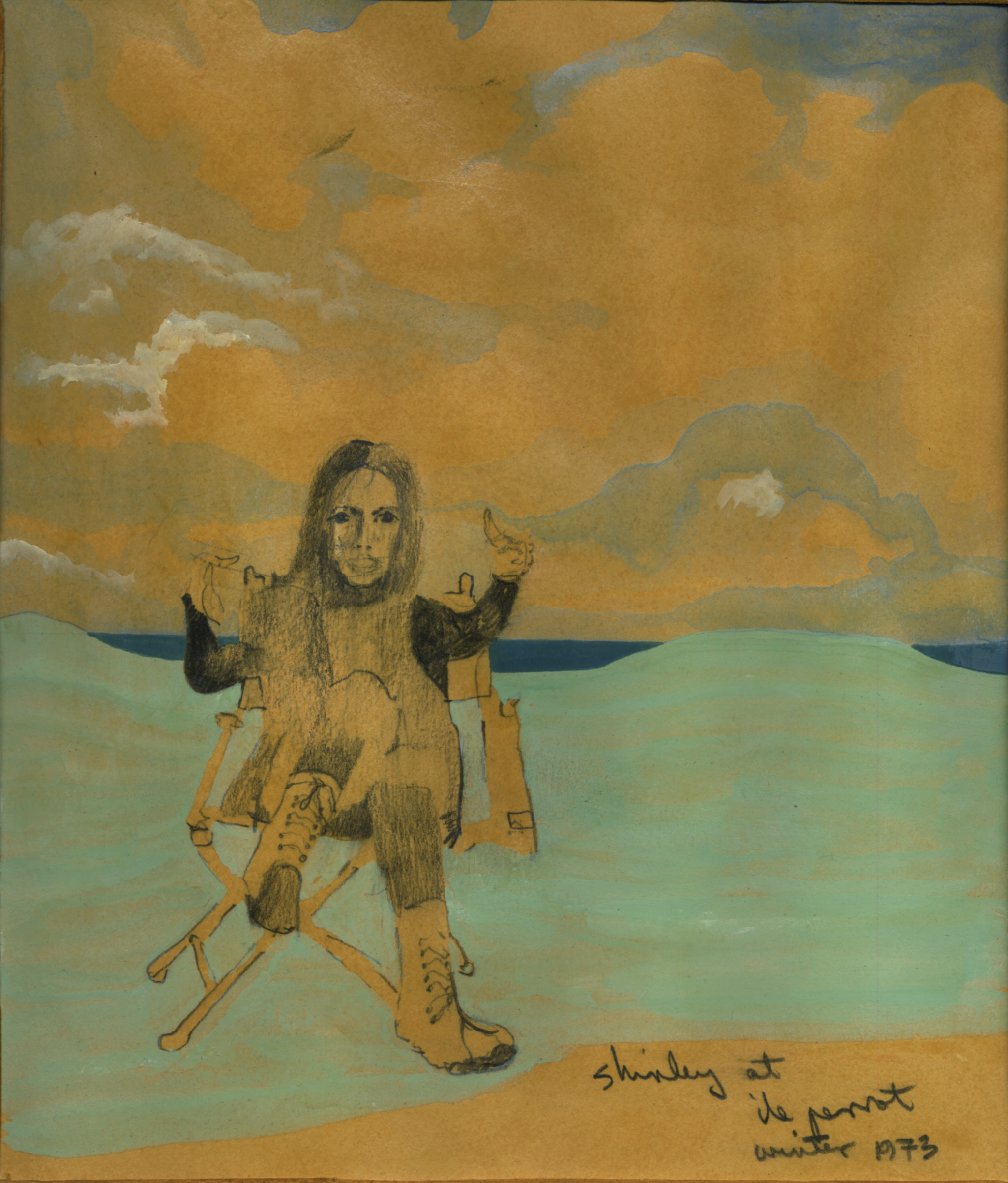
I’ve been re-watching that excellent TV series, Ozark. The last episode included one of the characters—actually his ghost, there’s a lot of dead people in Ozark—singing a song whose melody was familiar although I couldn’t place it immediately. It was John Prine’s “Angel from Montgomery.” The mournful music evoked my Shirley, who loved Prine. I think it was his ironic lack of sentimentality that appealed to her. She also liked Joe Cocker, Randy Newman, Blossom Dearie, anything by Cole Porter. And Janis, whom she heard at Woodstock.
FUSION ON THE MAIN LINE
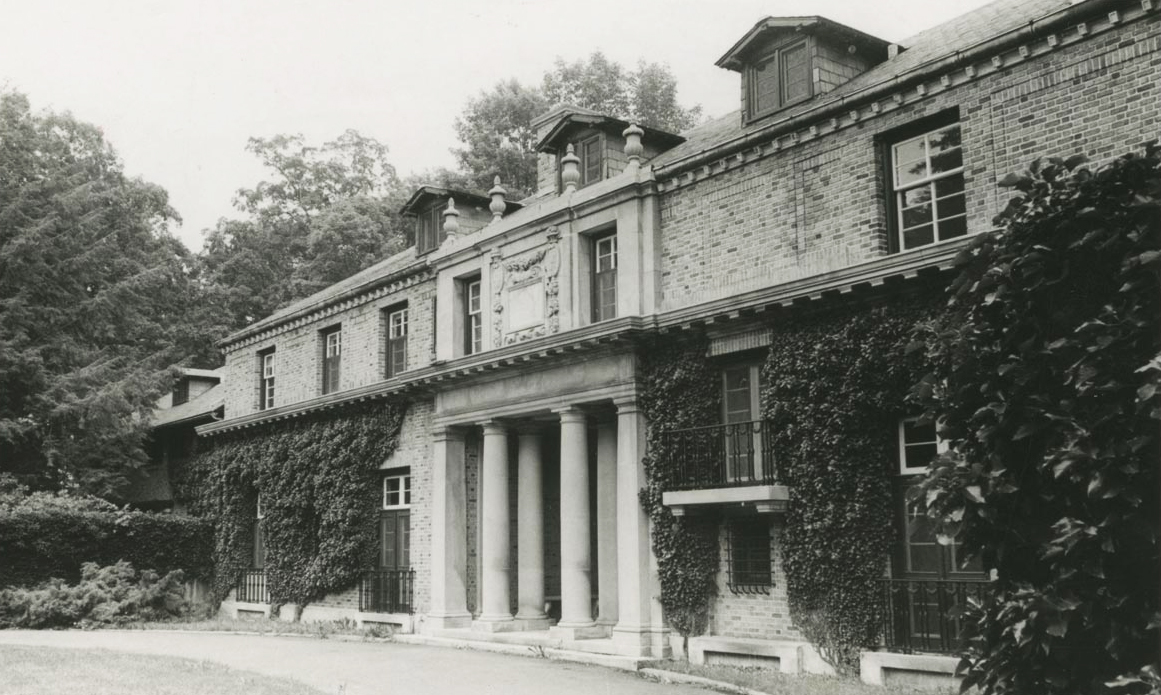
The other day I had the opportunity to visit Camp-Woods, a house on Philadelphia’s Main Line. It was built in 1910-12 for James M. Willcox, a banker who would later be president of the Philadelphia Saving Fund Society—and would commission the PSFS Building, America’s first International Style skyscraper. Camp-Woods is definitely not International Style, according to the brief Wiki entry it is Italianate-Georgian. While the architecture is a fusion, that is a misleading description. The architect was Howard Van Doren Shaw (1869-1926), one of the leading residential architects of his day—he was awarded the AIA Gold Medal, a high honor at that time. Shaw was a Chicagoan. After graduating from Yale and MIT he apprenticed with William Le Baron Jenney, the steel-frame pioneer who mentored Louis Sullivan. Like Sullivan, Shaw was neither a revivalist nor a modernist. He belonged to The Eighteen, a luncheon club that brought together architects with an Arts & Crafts sensibility—Frank Lloyd Wright was a member. Shaw and Wright were probably the two leading residential architects in Chicagoland in the early 1900s, but unlike Wright, Shaw worked with a rich palette, which is what informed the design of Camp-Woods, his only East Coast commission.