NOT INTERESTED
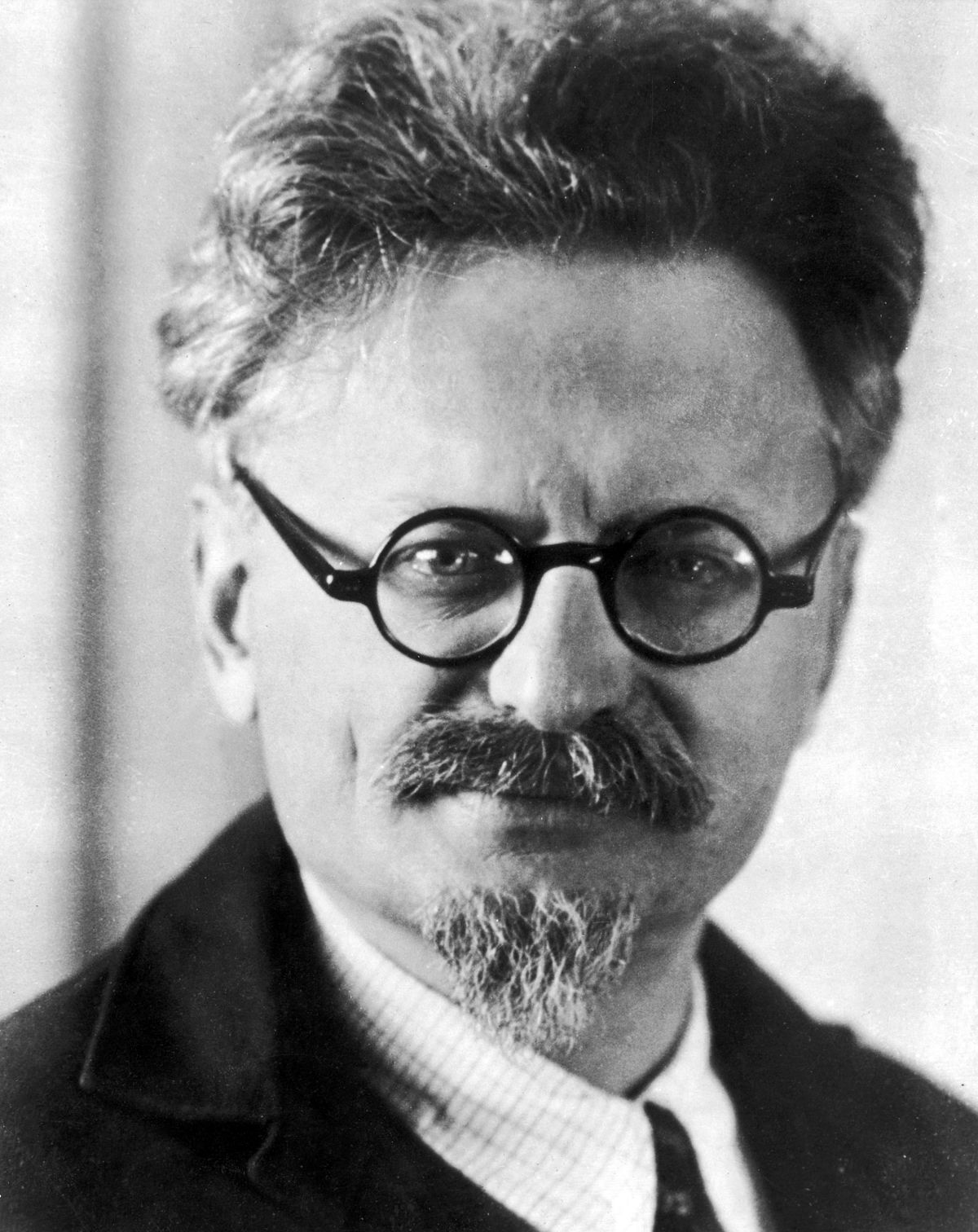
In this difficult time the famous Leon Trotsky quote comes to mind: “You may not be interested in war, but war is interested in you.”

On Culture and Architecture
In this difficult time the famous Leon Trotsky quote comes to mind: “You may not be interested in war, but war is interested in you.”
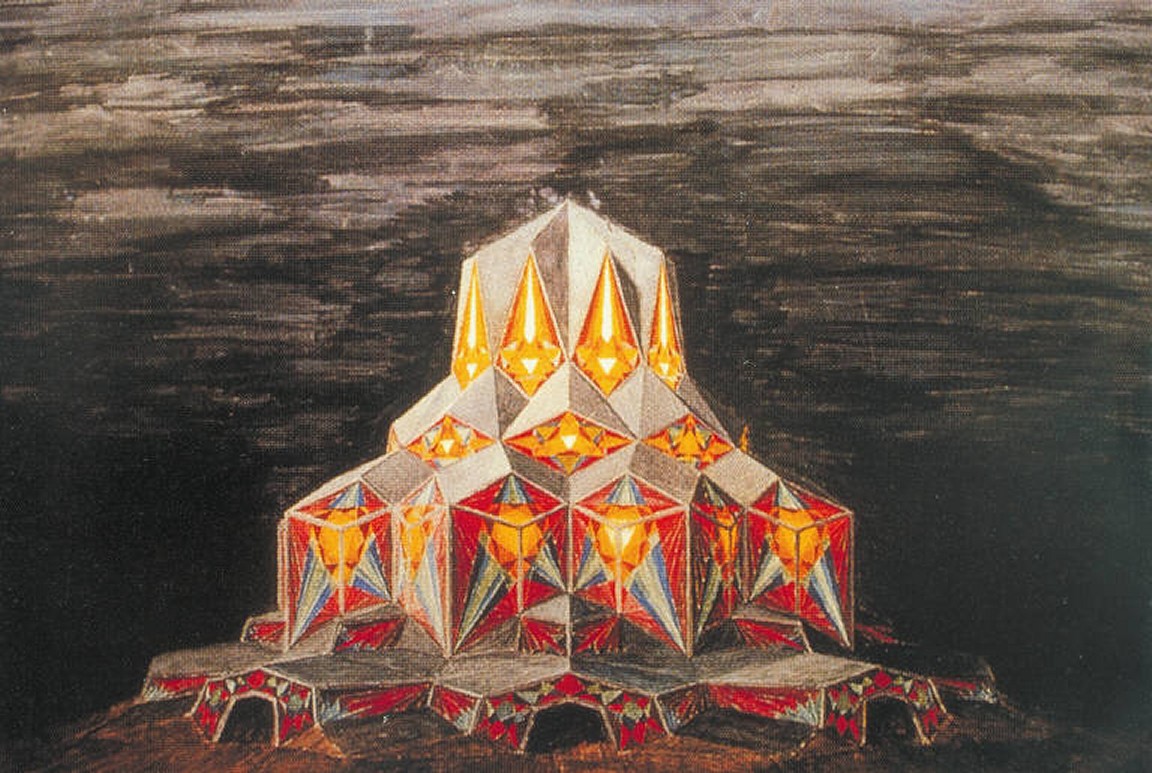
Paul Scheerbart (1863-1915) was a German writer of the turn of the nineteenth century; today we would call him a sci-fi author. In 1914 he wrote a novel with the unwieldily title The Grey Cloth and Ten Percent of White. The protagonist is an architect, more specifically a “glass architect,” and Scheerbart dedicated the book to Bruno Taut, a Berlin architect who promoted the idea of revolutionary all-glass buildings. Glasarchitektur (the title of another Scheerbart book) was an avant-garde obsession; Taut imagined “glowing crystal houses and floating, ever-changing glass ornaments.” When I look out my window I can see his crystal city come to life.
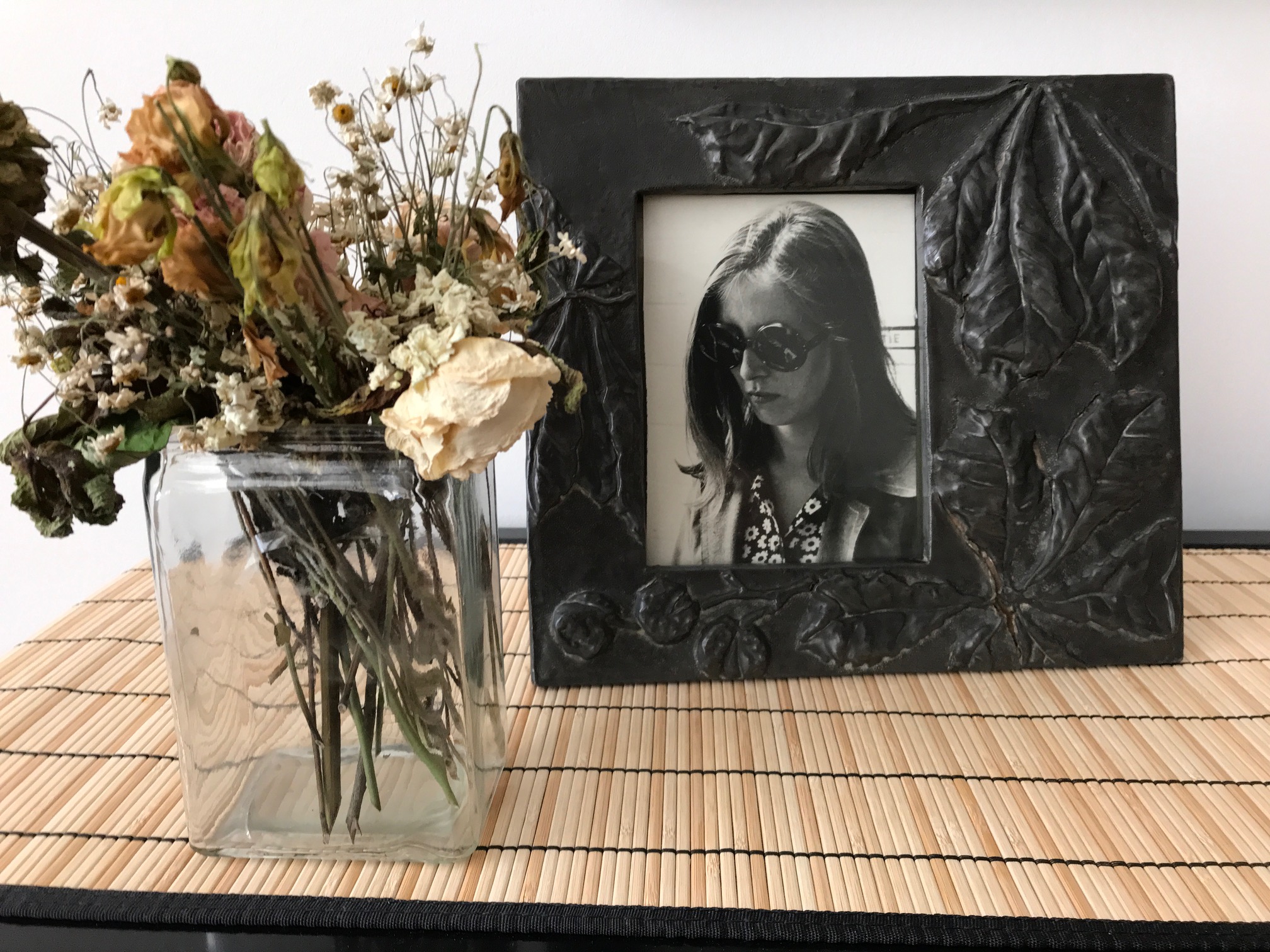
Shortly after my wife died, a friend emailed me a quote from Julian Barnes’s Levels of Life, which deals in part with the death of his wife of twenty-nine years. “This is what those who haven’t crossed the tropic of grief often fail to understand,” Barnes wrote, “the fact that someone has died may mean that they are not alive, but doesn’t mean that they do not exist.” It struck me as an intellectual conceit rather than a real insight. But I ordered the book from Abebooks. It was well written,
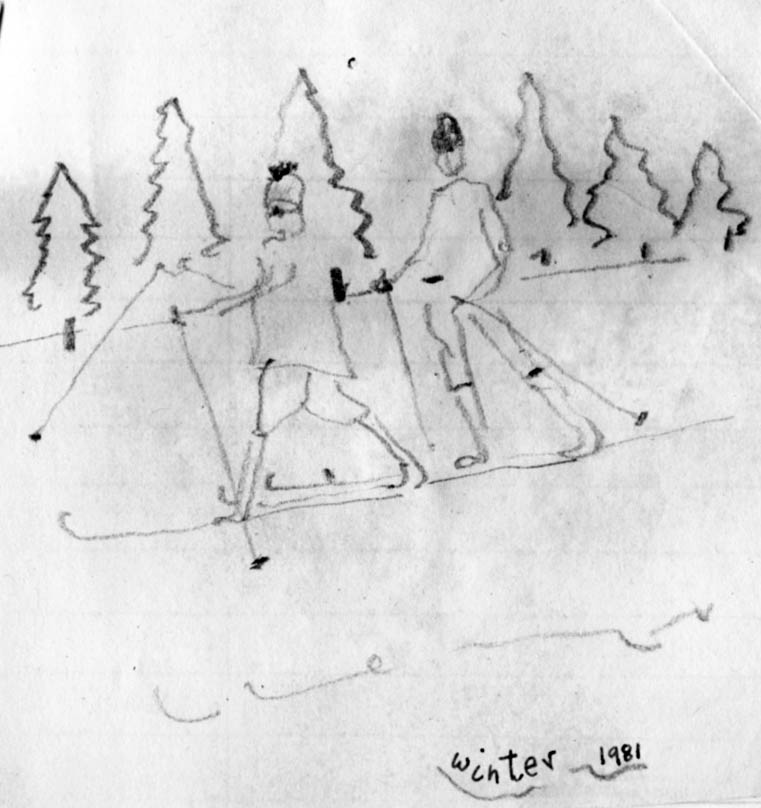
Years ago, when Shirley and I lived in Quebec, we regularly took a few days off during the winter to stay at a country inn in the Laurentians, north of Montreal. It was run by a German family, and the hearty food—schnitzel and kartoffelklöße—was a big part of the attraction. So was the cross-country skiing. We could ski out of the front door of our house in Hemmingford, but it was quite flat so hilly terrain was more fun. The trails were long and the area was quite wild. One day we went out, and after several hours I had to admit that we were quite lost.
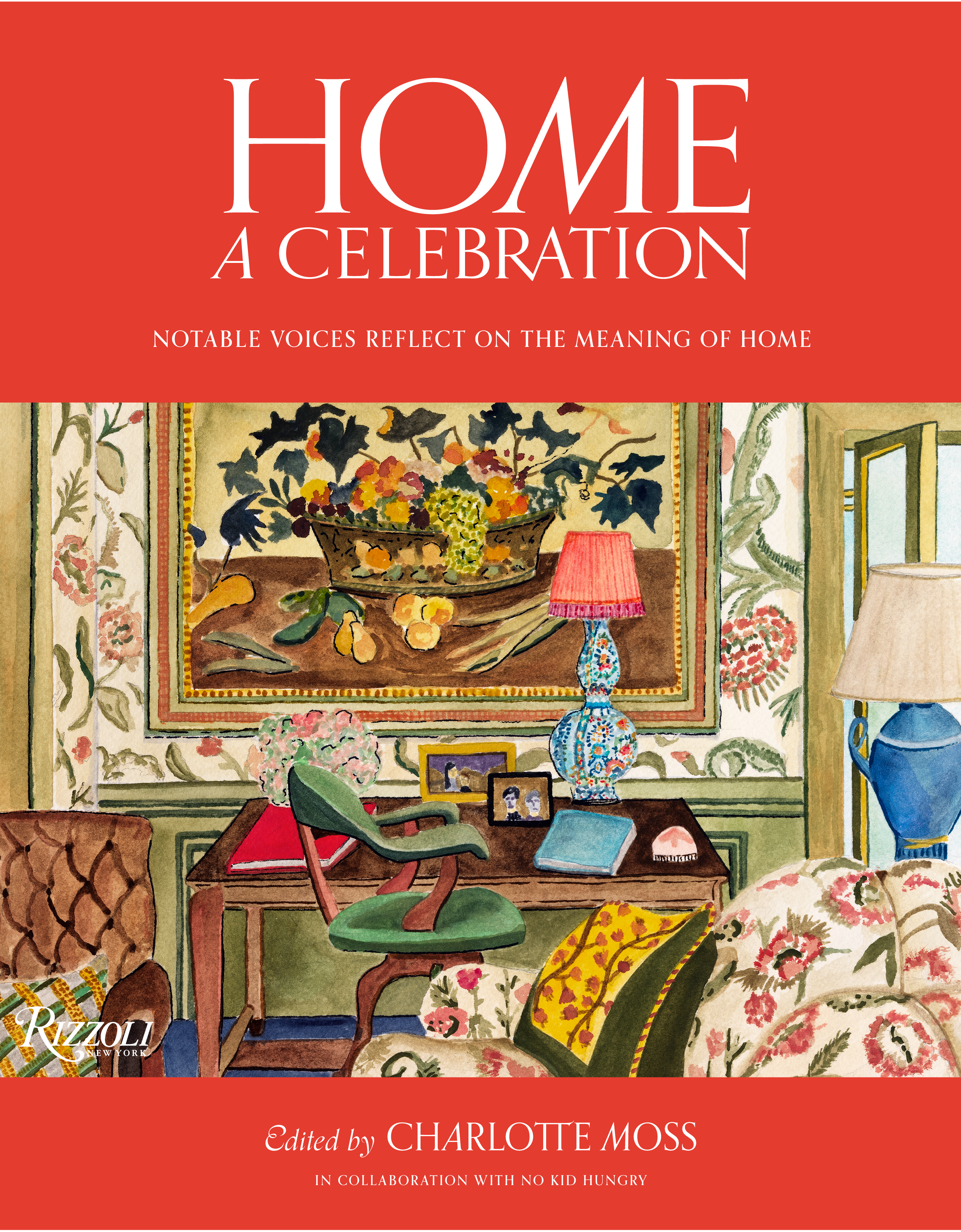
Home: A Celebration, just published by Rizzoli, is a beautiful book in a good cause; it’s a fundraiser for No Kid Hungry. The interior decorator Charlotte Moss has brought together essays, poems, sketches, and photographs by a variety of authors, including Joyce Carol Oates, Isaac Mizrahi, Annie Leibovitz, Julian Fellowes, Bette Midler, John Grisham, and Alice Waters. There are a few architects, too: Marc Appleton, Michael Imber, Tom Kligerman. And yours truly.

It is eight weeks since Shirley died. I still can’t get used to saying “I” and “mine” rather than “we” and “our.”
I look at old photographs a lot. This is one when she was a student in a convent school with the sisters of the Congrégation de Notre-Dame in Montreal. She is ten and all her best qualities are already in evidence in her forthright gaze: good humor, realism, intelligence, fortitude. And moxie—she is fearless.
A friend sent me these lines from Auden’s “Funeral Blues”:
. . . my North, my South, my East and West,
My working week and my Sunday rest,
Yes.
This morning at two o’clock, my wife Shirley died peacefully in her sleep. She’d been at home under hospice care for six weeks after an acute failure of her mitral heart valve. She was very brave and put up with the indignities of bed-care with good humor and without complaint, or at least without too much. Willful as always, one of her last acts was to turn down a medication I was offering her. She must have known she no longer needed it. It was a long goodbye and her death was hardly unexpected. I shan’t say “I’ll miss her”;

