A WRECKING BALL TOO FAR

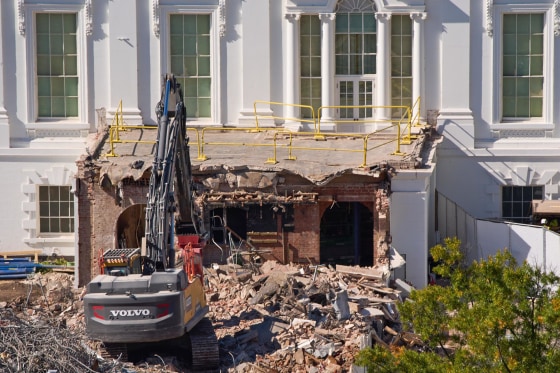
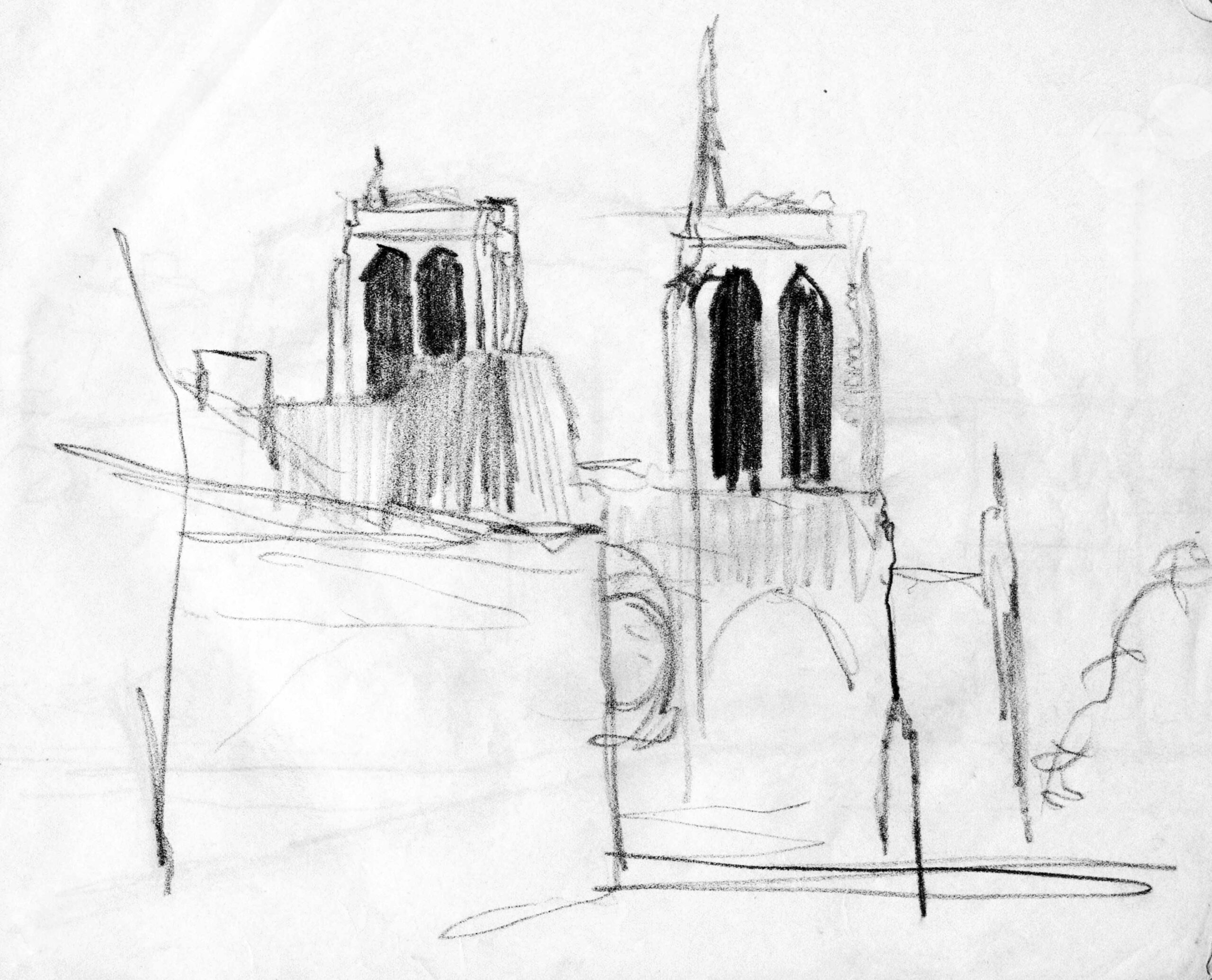
Jonah Goldberg has an interesting podcast on the current imbroglio over the demolition of the White House East Wing. The East Wing was built by Theodore Roosevelt in 1902, expanded by FDR in 1942 (partly to conceal an air raid shelter), and further enlarged by Richard Nixon, so this is not really about preserving history. Goldberg maintains that the demolition is important not because of the hysterical reaction of so much of the media and of the left in general, but rather because of the effect that the images of demolition have on the public in general. People always stop and stare when they pass by a demolition site.
Read more

WHAT KIND OF CLASSIC?

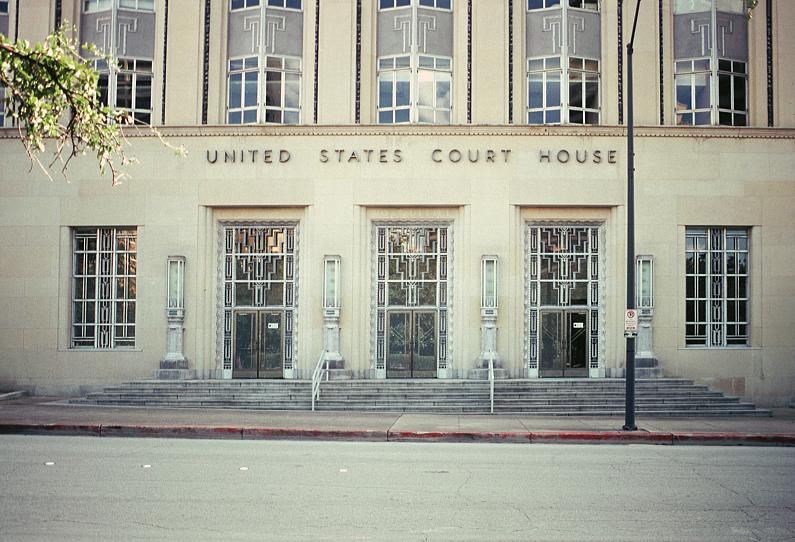
Well, it’s the law, at least for now. The executive order concerning the use of classical and traditional styles in federal buildings was signed on August 28, 2025. The intent is unequivocal, for example: “In the District of Columbia, classical architecture shall be the preferred and default architecture for federal public buildings absent exceptional factors necessitating another kind of architecture.” But what kind of classical? That remains to be seen. It could be the somewhat archaeological classical of Charles McKim, who is mentioned in the order, or the stripped classical of Paul Cret, who is not.  (Cret’s 1933 Ft. Worth courthouse is pictured above.) Or the inventive classical of Bertram Goodhue,

Read more

WHAT NOT TO DO

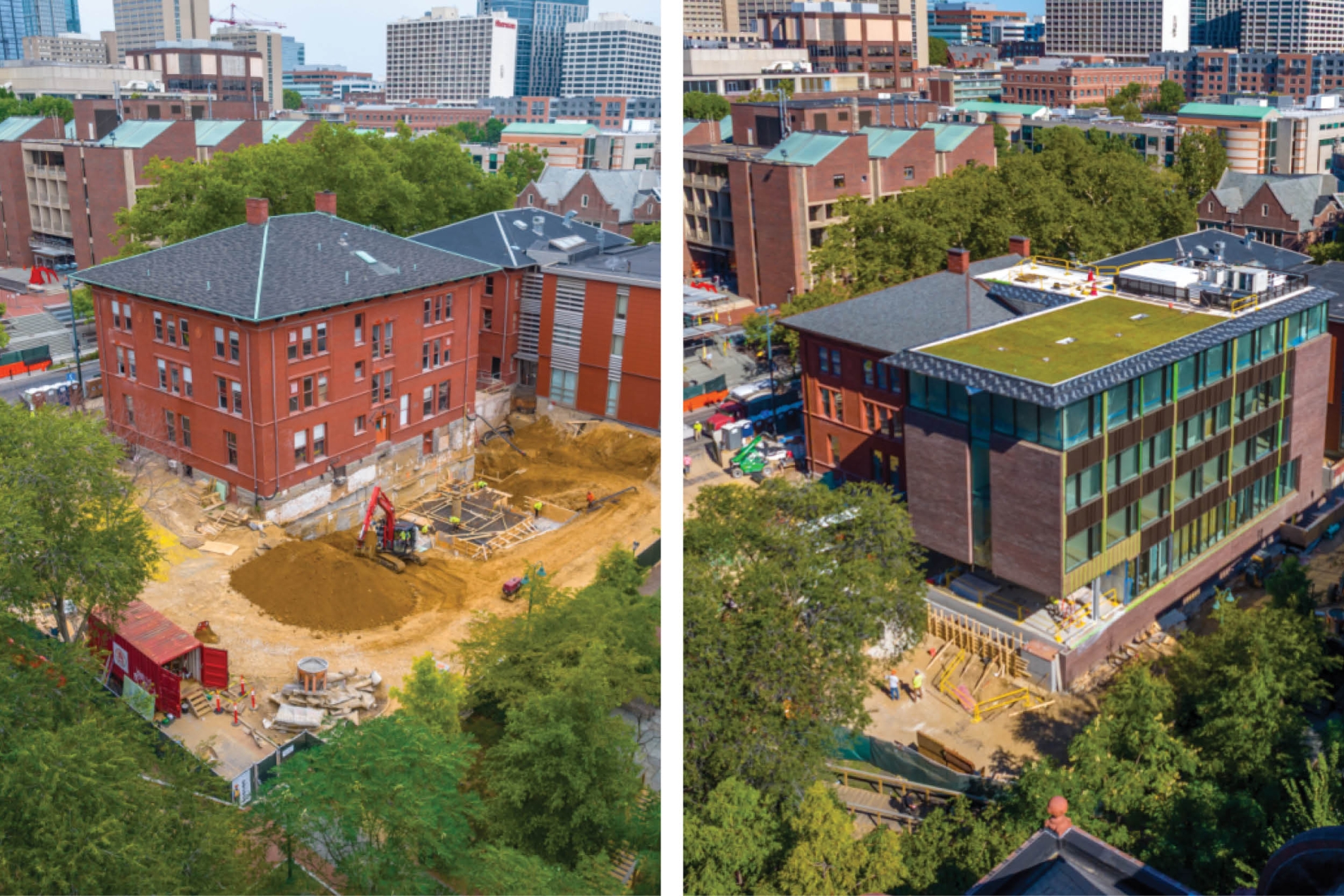
Recent architecture from KieranTimberlake at the University of Pennsylvania. It’s hard to imagine a more awkward addition to a nice old building (Cope & Stewardson, 1892). The height, roof form, curtain wall, brick color—all clash, and not in a good way. And the obligatory green roof doesn’t make up for it. What were they thinking?

Read more

THE FED BUILDS

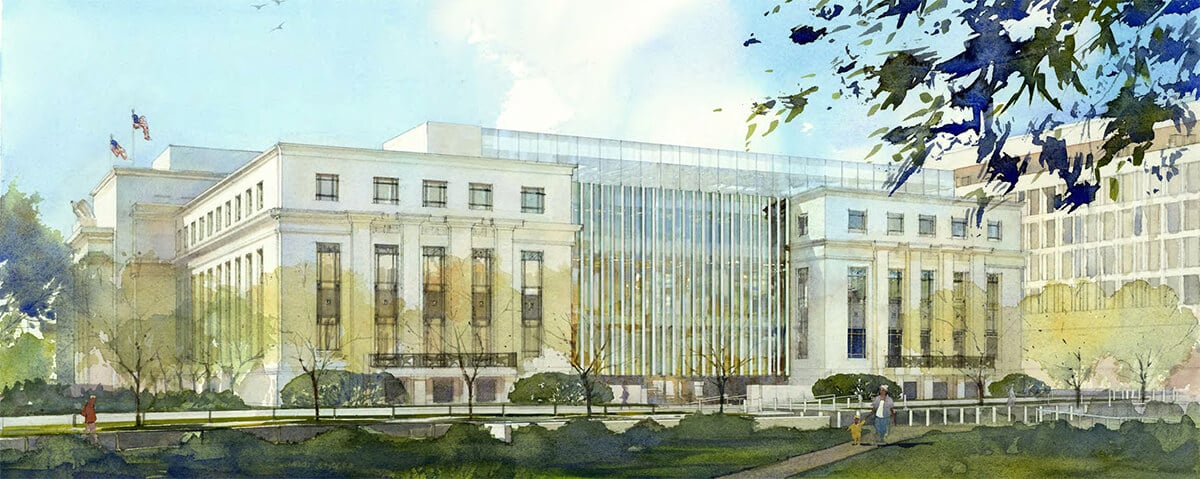
Although the media frequently describes the building project that the Federal Reserve is undertaking at its Washington, DC headquarters, the Marriner S. Eccles Building, as a “renovation,” it is much more than that. When Paul Cret designed the building in the mid-1930s, he used an H-shaped plan to ensure daylight in all the offices. The current project fills in those two spaces with glass-roofed atria. The external view (above) shows the clumsy mating of Cret’s marble facades with a steel-and-glass curtain wall. Quel dommage!

Read more

A COUNTRY PLACE AND ITS MAKERS

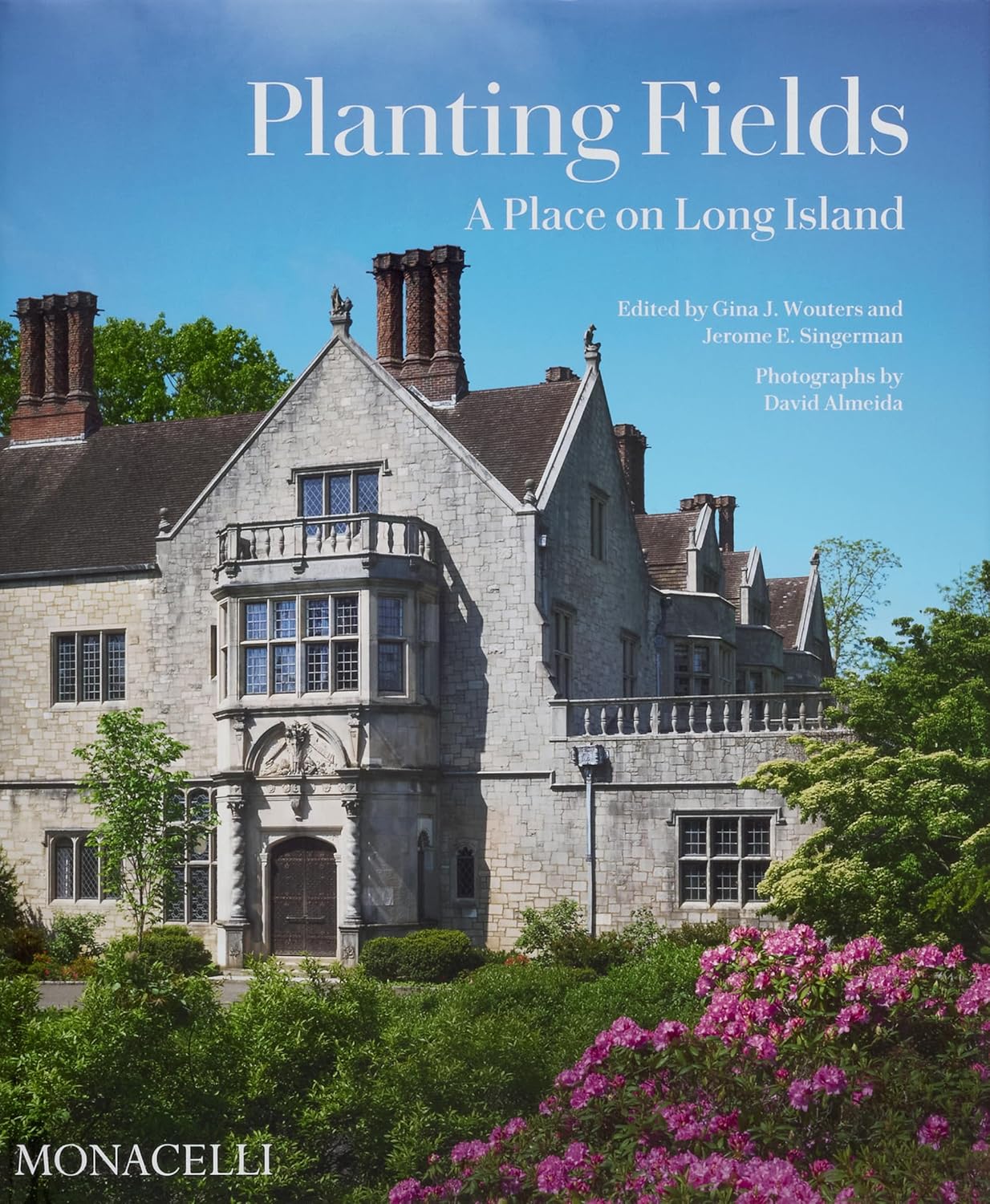
This month sees the publication by Monacelli of Planting Fields: A Place on Long Island. Gilded Age country estates on Long Island’s Gold Coast are not unusual—there were originally 500 of them—but this one is, not least because the house and its 400 landscaped acres have survived, more or less intact, now a public arboretum and state park. I contributed a chapter. I chose to tell the story of Planting Fields more like a novel than a design history. The characters matter: the enterprising Helen Byrnes who starts it all, the talented Grosvenor Atterbury and James Greenleaf who in several important ways set the architectural tone for the house and garden,

Read more

FUSION ON THE MAIN LINE

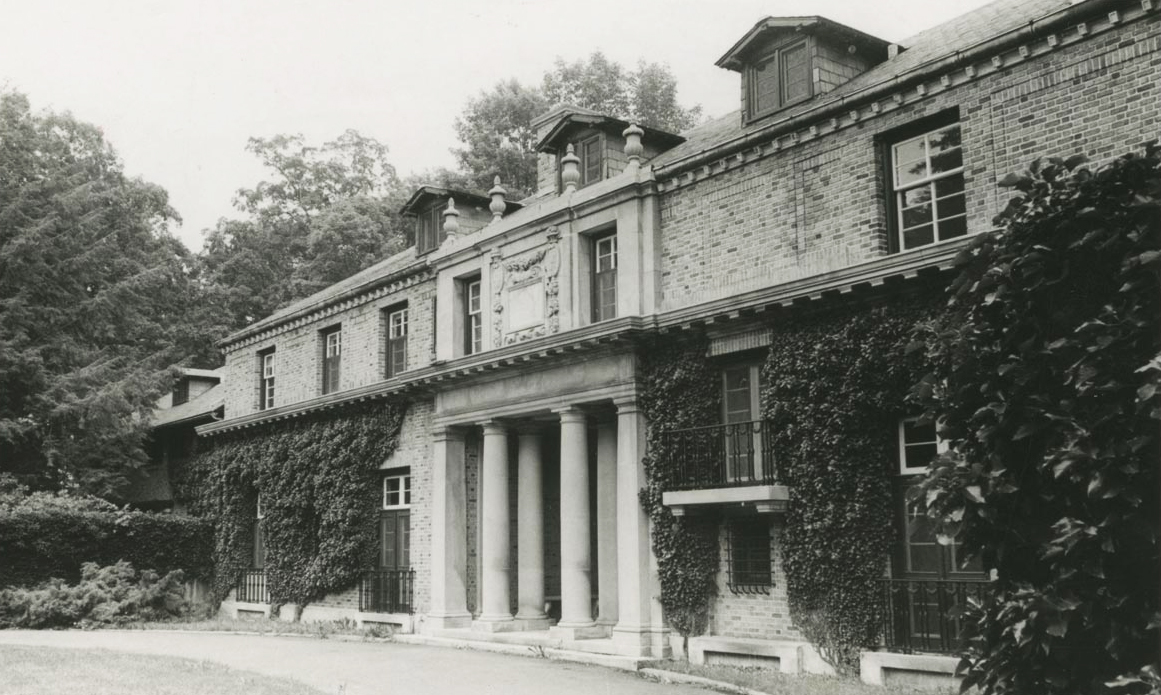
The other day I had the opportunity to visit Camp-Woods, a house on Philadelphia’s Main Line. It was built in 1910-12 for James M. Willcox, a banker who would later be president of the Philadelphia Saving Fund Society—and would commission the PSFS Building, America’s first International Style skyscraper. Camp-Woods is definitely not International Style, according to the brief Wiki entry it is Italianate-Georgian. While the architecture is a fusion, that is a misleading description. The architect was Howard Van Doren Shaw (1869-1926), one of the leading residential architects of his day—he was awarded the AIA Gold Medal, a high honor at that time.

Read more

STAINED GLASS

Remember when French premier Emmanuel Macron saw the Notre-Dame fire as an opportunity to modernize the cathedral, and announced an international architectural competition to produce a new, updated roof—a “contemporary gesture,” in his words? And remember when many well-known architects, much to their discredit, applauded the gesture. Macron’s plan was scotched by the almost universal negative reaction of curators, historic preservationists, and the French parliament. Now Macron is back in hot water with his plan to remove six stained glass windows and install modern replacements. The uproar is caused by the fact that the six removed windows were unharmed by the fire,

Read more

FROM OUR FOREIGN DESK

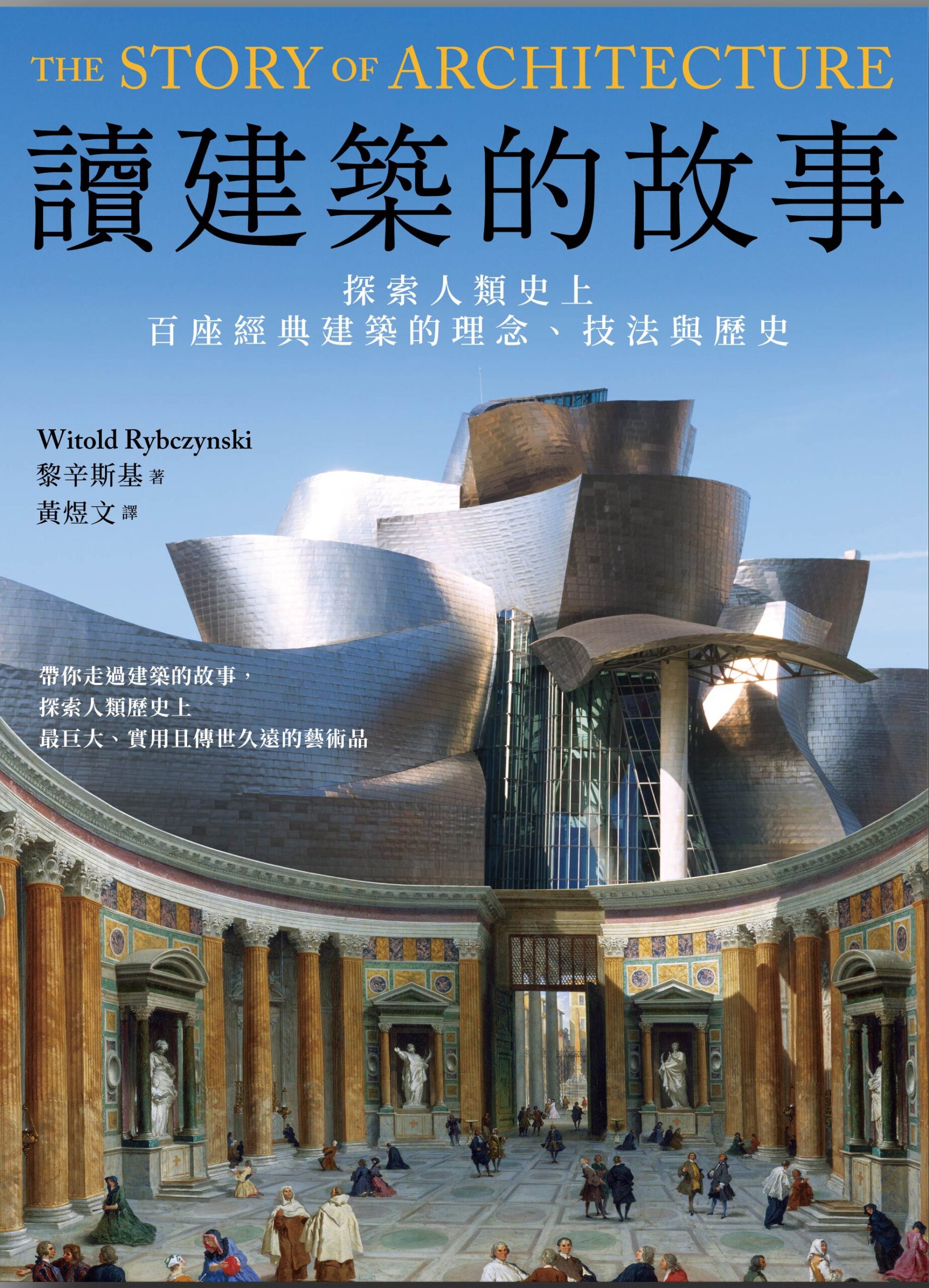
Coming soon from Owl Publishing House in Taipei, Taiwan, a translation of The Story Of Architecture and The Driving Machine. Owl has previously published Now I Sit Me Down to Eat, How Architecture Works, Makeshift Metropolis, One Good Turn, Waiting for the Weekend, and Home.

Read more