
COPYCATS
“Our lust for originality is wrecking the city, delivering a rash of formally new, but ultimately anti-urban hideous skyline baubles reducing city-making to a spectacle of super-size billboard branding gestures while inhibiting the multiplication of good ideas,” writes Phineas Harper in a recent post on Dezeen. He correctly questions the modern obsession with originality, and asks rhetorically, “Is bad originality really preferable to a brilliant copy?” Of course, it isn’t—never has been. What Harper does not mention is that copying had a long and honorable tradition in architecture. Scamozzi copied Palladio’s Villa Rotonda, so did Colen Campbell,
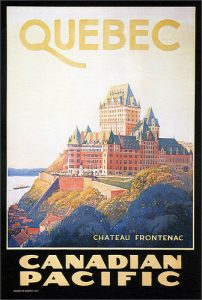 The Canadian design mag, Azure, ran a
 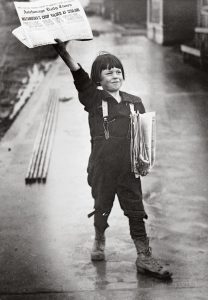 The other day I read in
  According to a
  Ian Volner’s
 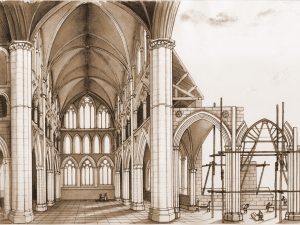 There is a long tradition of architectural research in structures—one thinks of Nervi, Candela, Torroja, and Frei Otto, the pioneers of concrete like Perret, and much earlier the Byzantine and Gothic builders. Architects have sometimes experimented successfully with new building techniques and materials (Rudolph invented striated concrete blocks; Foster was the first to use structural glass fins). But research into how people use buildings is rare. The profession has always recognized the value of so-called post-occupancy evaluation, and the need for knowledge based on how people actually behave in and use buildings. The problem has been that this kind of research is extremely complicated,
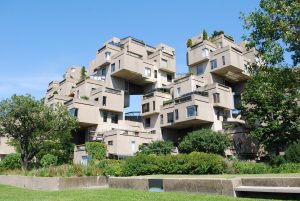 Is every building made out of concrete automatically Brutalist? The answer is yes, according to a recent