SAD ENDS


Ron Thom (1923-1986) is not a name any longer familiar to many, but in the 1960s he was one of Canada’s leading architects, second only to his fellow Vancouverite, Arthur Erickson. Like Erickson, Thom started small, designing prize-winning houses in a woodsy, modernist style that became associated with the West Coast. Like Erickson, he had difficulty translating his exquisite personal designs into the world of large, corporate commissions, and the arc of both architect’s careers contains more tragedy than triumph. Nevertheless, Thom produced at least two masterpieces of collegiate architecture, Massey College (1963) in Toronto and the new campus of Trent University (1963-79) in Peterborough,
Read more

GOD’S HOUSE

In an article in the current issue of Design Intelligence, the architect and Notre Dame professor, Duncan G. Stroik writes that the design of contemporary  megachurches, which he characterizes as “non-architecture,” leaves much to be desired. It’s hard to argue with that (see my Slate slide show on megachurches here). But then Stroik goes on to equate megachurches with modernism, whence he elides into the classicist’s standard litany of the failings of modernist architecture. “Gone was the need for human scale and proportions, natural materials, historical elements, and the classical understanding of civic order,” he writes.

Read more

I AM A MEMORIAL

VenturiThe book launch of Civic Art, a history of the first hundred years of the U.S. Commission of Fine Arts, was the occasion for the Charles Atherton Memorial Lecture at the National Building Museum, delivered this year by Thomas Luebke, the current secretary of the commission. In the course of his talk, Luebke made an interesting observation: commemorative memorials in Washington, D.C. have become increasingly influenced by other media, specifically photography. When the Lincoln Memorial was completed in 1922, Daniel Chester French’s statue of the president was the sculptor’s interpretation of his subject (French did have access to a life mask of Lincoln,

Read more

GREATEST HITS

Anyone watching “Ten Buildings that Changed America” last night on PBS was challenged to make their own additions or deletions to the list. I must admit that I was surprised to find Jefferson’s Virginia Capitol rather than his University of Virginia, leading the Top Ten, for it was the university that set the model for the bucolic college campus, which is one of America’s great architectural achievements. But the show convinced me that the Capitol, which established Classicism as the de facto government style, deserves to be included. No one would argue with Trinity Church, the Wainwright,

Read more

Stiltsville

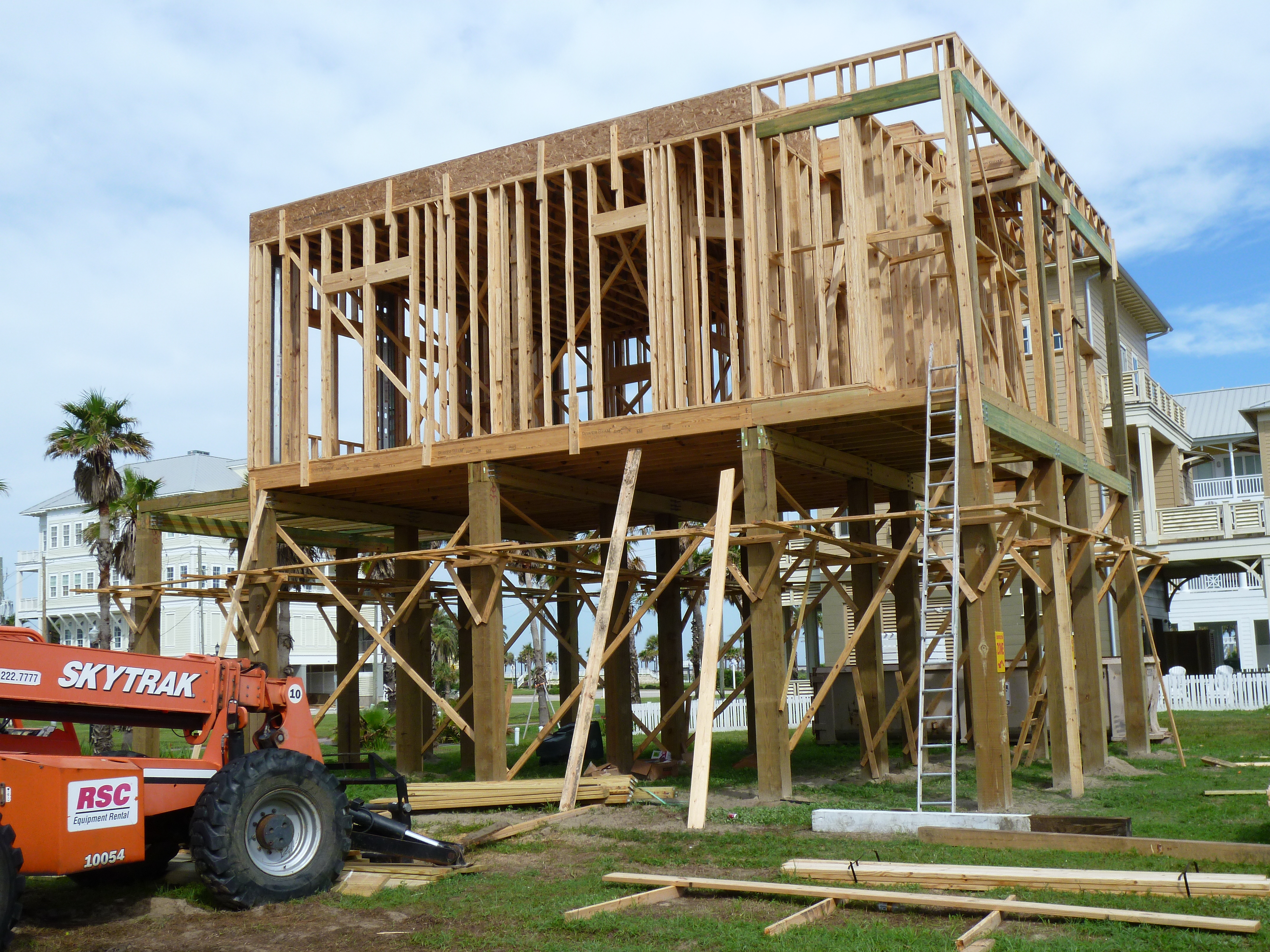
P1000914Beachtown is a New Urbanism second-home village in Galveston. Construction began in 2005, after a protracted planning and permitting period. The projected size is about 2,000 houses. Progress has been slow, but then Galveston is hardly a hot development area. Although only fifty miles from Houston, the city never really recovered from a devastating 1900 hurricane. The hurricane, and the Houston Ship Canal, ensured that Houston prospered while Galveston languished. So building a Texas version of Seaside, even when it is planned by Duany & Plater-Zyberk, is a real estate challenge (I saw only a single house under construction).

Read more

In the Shade

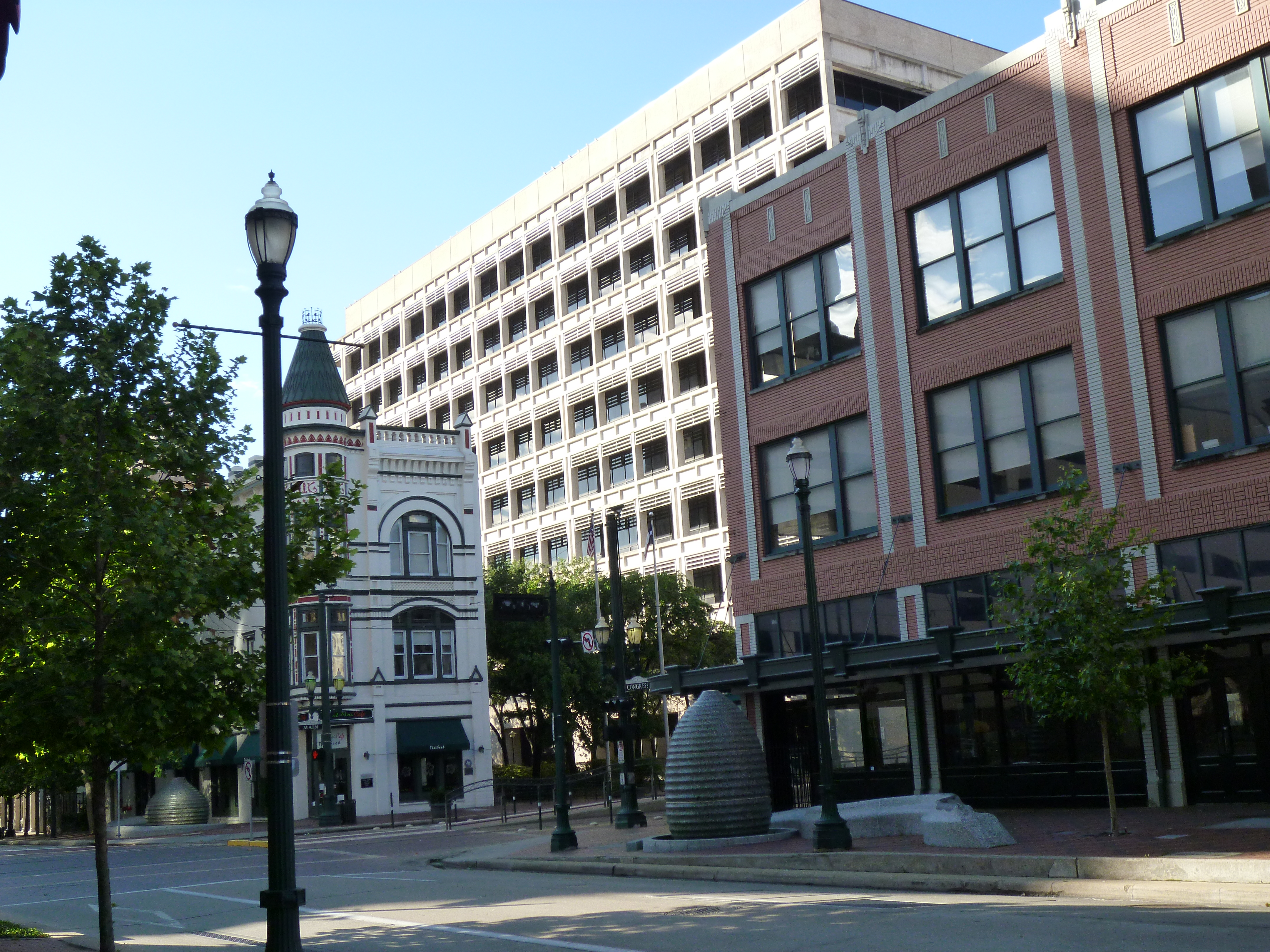
P1000913The vast majority of certified green office buildings today seem to be all-glass. That’s counterintuitive, since glass lets in the sun’s heat. Surely it’s time to revisit one of Le Corbusier’s modernist trademarks, the brise-soleil, or sunshade. Corb’s sunshades tended to be made out of concrete, which is actually the wrong material, since it absorbs the sun’s heat, stores it, then dissipates it long after the sun goes down. But the basic idea is sound: prevent the rays of the sun from entering and heating up the interior of the building. I was reminded of Corb during a recent visit to Houston.

Read more

Prez Library

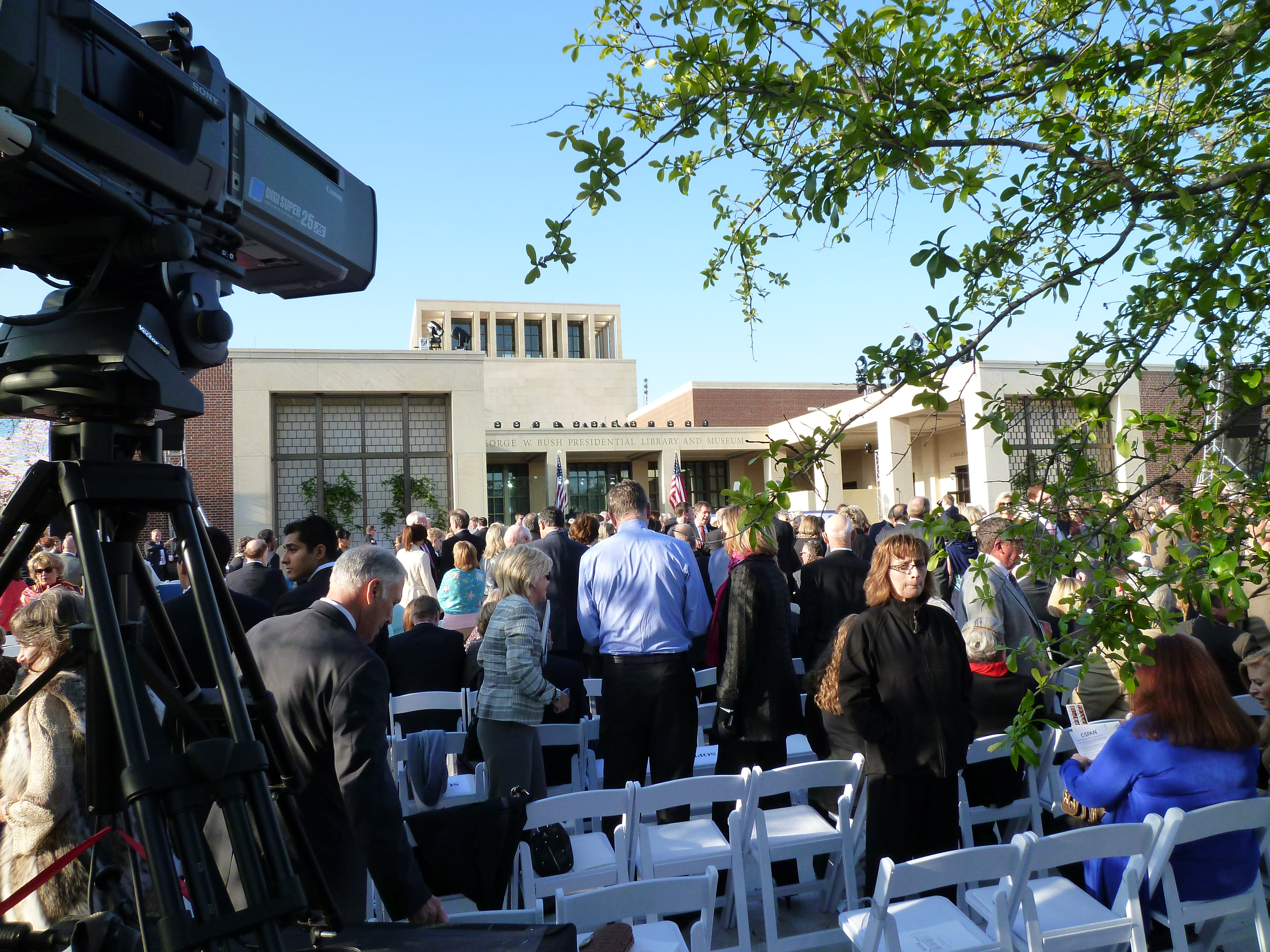
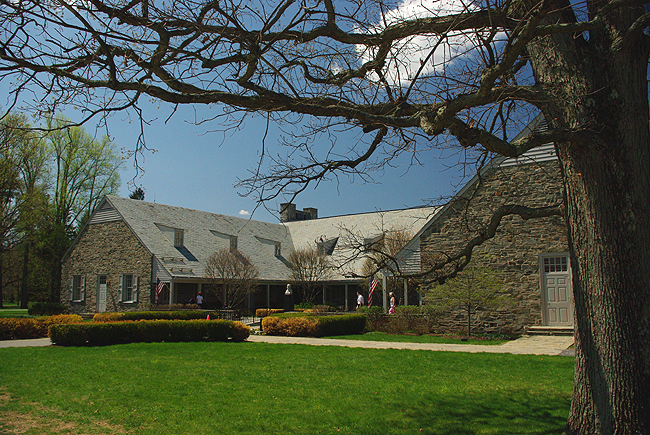
P1000840Since I was on the design committee that advised Laura Bush on the George W. Bush presidential library, I am not in a position to offer an objective review of the architecture of the building. You will have to make up your own mind. I suspect many people will do this without actually visiting the building, but when you read the reviews keep several things in mind. Presidential libraries should have an intimate quality since they are, in one measure, personal shrines. The most successful example in this regard is the FDR Library in Hyde Park,

Read more

Lest We Forget

We remember the past in different ways. World War II produced memoirs (Frank, Wiesel, Tregaskis), histories (Churchill, Shirer, Keegan), novels (Mailer, Jones, Heller), and innumerable films and television documentaries. So did the Vietnam War (Dispatches, A Rumor of War, A Bright Shining Lie, The Best and the Brightest, as well as The Deerhunter, Apocalypse Now, and Platoon). Of course, there are also built memorials, which form the focus of wreath-layings and commemorative ceremonies, but our memory resides in many places. So I find the present custom of making so-called visitor centers an integral part of memorials odd,

Read more