DESIGNING THE FUTURE

The words visionary and futuristic are generally used as high praise in architectural criticism. But I’m not so sure. Most architectural visions, whether it’s Mendelsohn, Marinetti, or Sant’Elia have not proved accurate–how could they? Too many unpredictable things change, technologically, politically, culturally. “Cities of the future” generally look quaint, decades on. The most interesting visions are the ones that accept odd blends of past and future, like the dystopian metropolis in Blade Runner, or the techno/medieval Village in the TV series The Prisoner (whose setting was actually Sir Clough Williams-Ellis’s  Portmeirion).

Read more

CALATRAVA CALLED OUT

The front page of today’s New York Times carries a scathing indictment of Santiago Calatrava’s buildings. The solidly researched article chronicles a record of work that is over-budget, poorly constructed, and in some cases downright dangerous to users. Many engineers have been skeptical of Calatrava’s approach to design, which seems to glamorize structure, while not making a whole lot of structural sense. I had this feeling when I saw his residential tower in Malmö, Sweden, portentously called Turning Torso. The 54-story building on the Öresund Strait is intended to be a landmark, and indeed,

Read more

TOTTERING ON

An editor with a national monthly magazine contacted me recently. He had read my Bloomberg View op-ed on shrinking Detroit, and had a proposal for an article. “Let’s say it is stipulated that Detroit has downsized, the economy is booming, and the tech world has moved in with a vengeance,” he wrote. “How should the city reimagine itself and how would it look and feel in 25 years. Who would live and work there? Are postwar Dresden, Warsaw, Pittsburgh, Montreal, or London valid precedents? Anything to be learned from the way the modern Rome is layered over the ancient Rome?

Read more

MUDDLING THROUGH

LTIJust returned from a brief visit to the UK. When you arrive in London, if you have £20 you can take the Heathrow Express (travel time 15 minutes) to the city; if you have £28 you can go first class. The spiffy train interior makes Acela look frumpy. When did the British get so good at design? The original London black cab was the Austin FX3, introduced in 1948. It had plenty of room for luggage, flip-down jump seats, and rear-hinged doors for the benefit of the passengers. The latest model of black cab, TX4,

Read more

MAX GATE

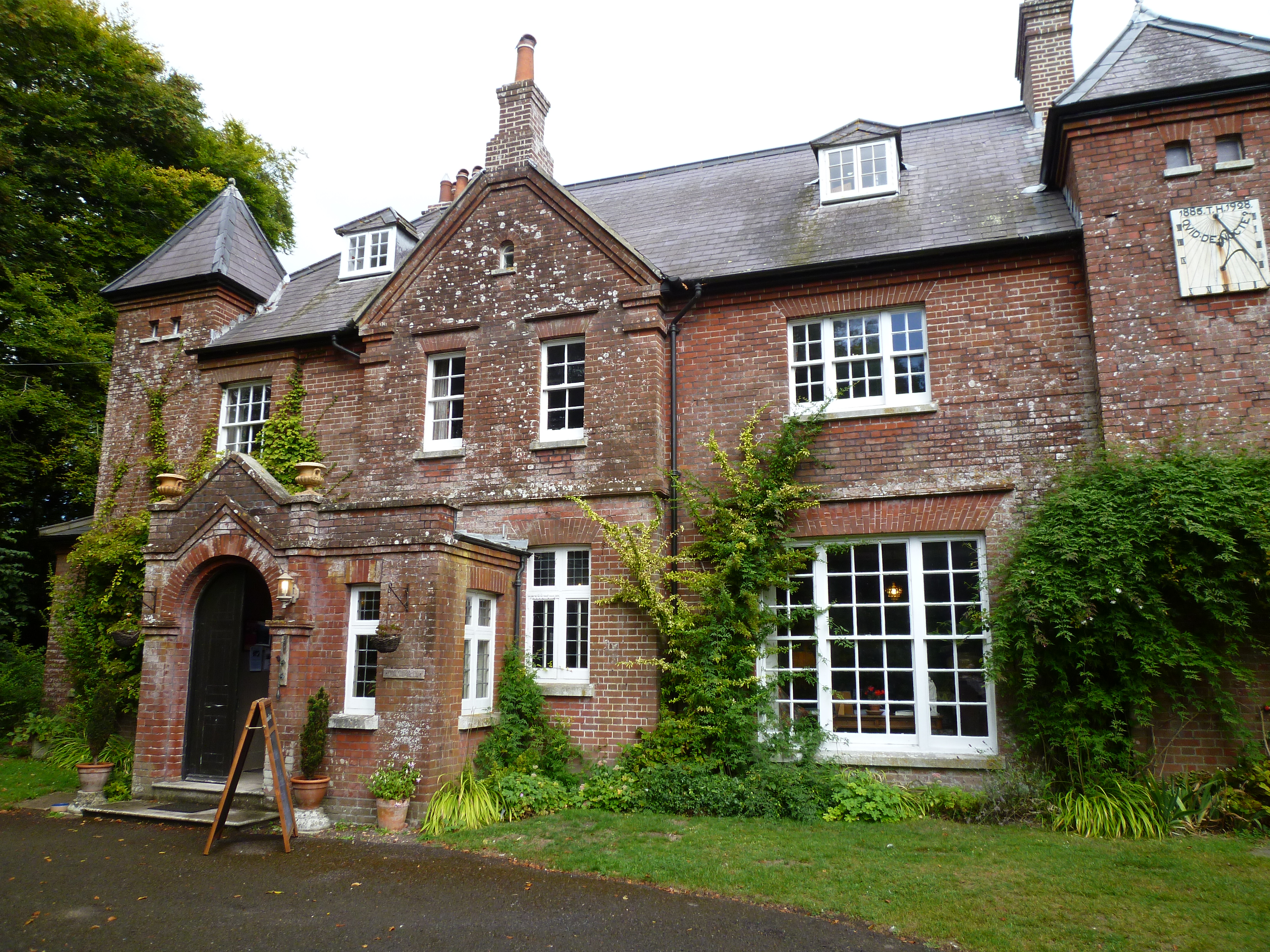
hardy1Conrad was a sea captain, Chekhov was a doctor, but Thomas Hardy is the only famous writer I know who was an architect. Born in modest circumstances, he was apprenticed to an architect as a lad, and worked in London for five year before returning to his native Dorset to devote his time to writing. Max Gate is the name of the house that he designed for himself in Dorchester. He was 45 when he built the house, and he lived there for more than 40 years, until his death–he died in the upstairs bedroom–in 1928.

Read more

THANKLESS

gehry_eisenhower_approved_03How much influence does fundraising for a president buy you? Apparently, not much. In September 2012, Frank Gehry joined Ed Ruscha, Richard Serra, Claes Oldenburg, and other prominent “Artists for Obama” in contributing to a portfolio that was presented to big donors and is estimated to have raised $4.2 million for the president’s re-election campaign. This week the White House announced the appointment of the president’s new representative on the commission that is overseeing the design and construction of the planned Eisenhower Memorial in Washington, D.C., which is being designed by Gehry The appointee is Bruce Cole,

Read more

NEWS DUMP

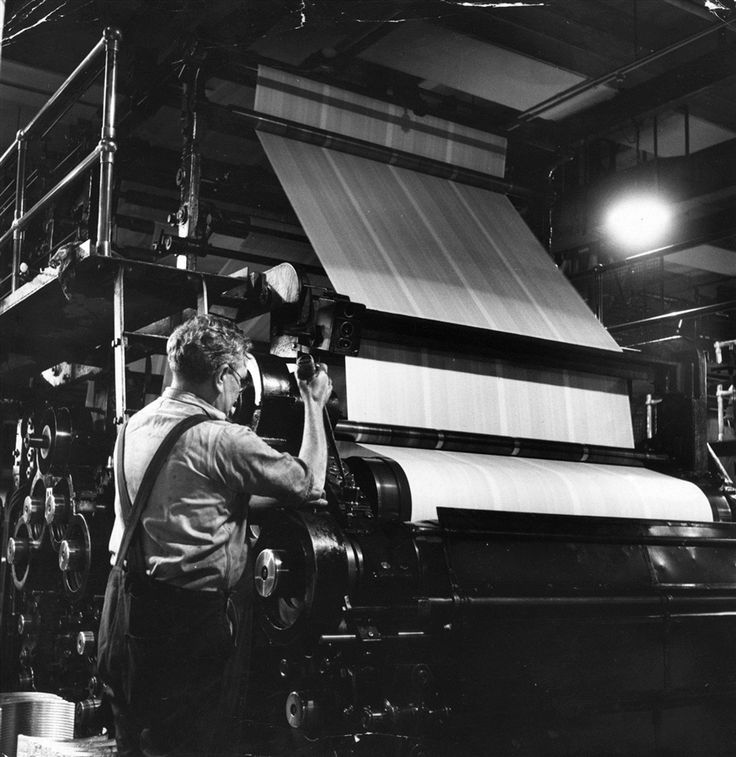
pressThe opening credits of Billy Wilder’s 1974 filmed version of The Front Page portray the short, inglorious life of a daily newspaper, from typesetting and printing to being distributed and read. The final frame shows the front page being used to line the bottom of a birdcage; catching bird droppings is all that old news is good for. Today, no news seems to be too old, at least not on the New York Times website. The pleasure of opening a daily newspaper is its freshness, not only the crisp newsprint, but the news itself.

Read more

TV ASIDE

kevin-spacey-house-of-cards-9It’s not often that politicians have anything penetrating to say about architecture. Even fictional politicians. Especially villainous fictional politicians. Kevin Spacey’s Rep. Francis Underwood, in Netflix’s House of Cards delivers this memorable aperçu: “Money is the McMansion in Sarasota that starts falling apart after ten years; power is the old stone building that stands for centuries.”

Read more