ALL THAT JAZZ

I’ve been researching Marcel Breuer in connection with a new book. The 18-year-old Breuer started as an art student in Vienna, then transferred to the new Bauhaus in Weimar. He chose the woodworking program, and proved to be so talented in furniture design that after he graduated Walter Gropius invited him back to be the master of the woodworking shop. In one short period, 1925-30, Breuer designed some of the seminal modernist chairs of the twentieth century: the Wassily, the Cesca, the B35 lounge chair. During the 1930s, he started working as an architect, collaborating with F.R.S. Yorke in UK and Gropius in the US,
Read more

THE IKE MEMORIAL, CONT’D.

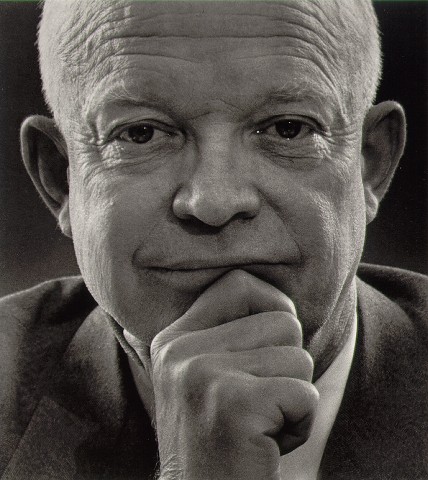
dwight-d-eisenhower-2A New York Times story described a recent report of the House Natural Resources Committee criticizing the commission that is in charge of building the Dwight D. Eisenhower Memorial in Washington, D.C.  But the Times didn’t mention, as the Washington Post did, that the Congressional committee has not actually voted on the report, which was released by the Republican majority. Moreover, according to Martin Pederson, editor of Metropolis, the report is the work of a single staffer. The Times headline was Memorial Plan Called a ‘Five-Star Folly’. 

Read more

NOT THE SAME

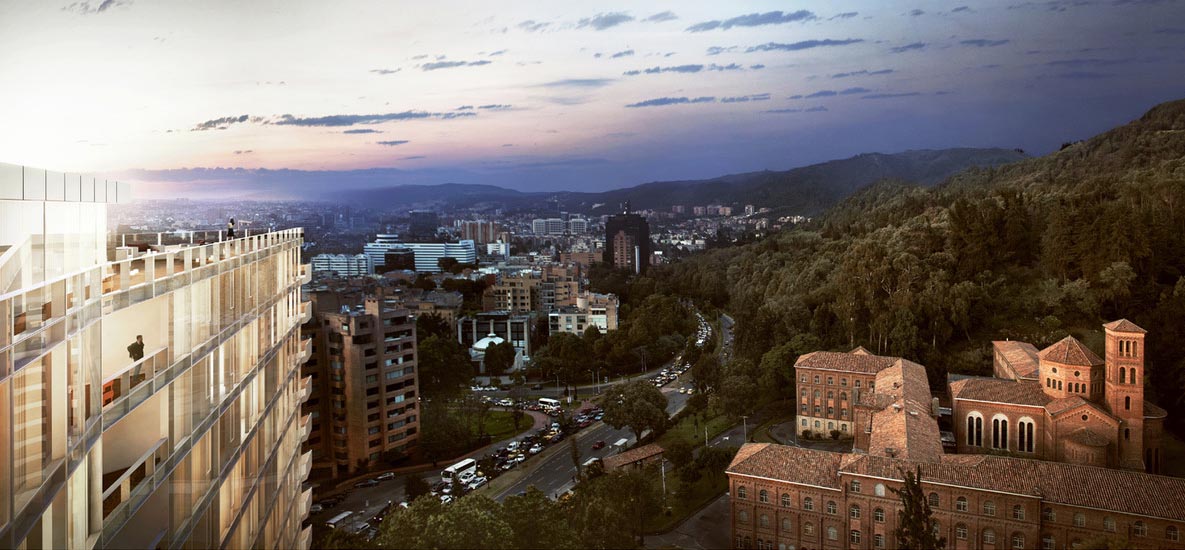
BN-CO788_0501bo_M_20140429131554A month ago the Wall Street Journal ran an article about the current building boom in Bogotá. It described a planned luxury residential building designed by Richard Meier. Why import an architect from thousands of miles away, who has never built anything in that city? “One aspect of new construction is important to local buyers: no red brick. Exposed brick is so prevalent in Bogotá that many apartment buildings look the same.” Well, Mr. Meier’s building, which is white steel and glass, will certainly not “look the same.” Indeed, to my eye, it will likely stick out like the proverbial sore thumb.

Read more

A LIFE IN THREE ACTS


An account of Paul Rudolph’s life would make a good opera—a tragedy. Act One. The provincial rube, son of an itinerant Methodist minister in the South, studies architecture in Alabama. He designs his first house at 22, and joins an office in Sarasota, of all places. Goes to Harvard, and studies at Gropius’s knee. The war interrupts. He returns to Sarasota, becomes a partner in the firm, and begins to design remarkable houses—as if Frank Lloyd Wright had attended the Bauhaus. He completes his Harvard degree and returns to Florida and continues to build. The houses are airy,

Read more

THE VIEW FROM DOWN HERE

“The best metaphor for getting older,” Twittered Paul Goldberger recently, “all the hills are steeper, but the views are better.” That sounds about right, although from where I stand—and increasingly sit—the views are not always what they were. I was brought up on Sixties jazz, for example, and I can’t help but agree with with the late Frank Zappa’s pithy assessment, “Jazz is not dead, it just smells funny.” I remember when there was just one telephone company, you didn’t actually own your home phone, and it never, ever broke down. And I remember when cities were real places rather than tourist attractions.

Read more

CITIES AND MEMORY

Núria Ferragutcasas, who is the US correspondent for the Catalan newspaper ARA, interviewed me about the reconstruction of the World Trade Center site at Ground Zero. Her last question—“What is your opinion about the new site as whole? Do you like the Memorial? Is it appropriate?”—prompted me to reflect further on the subject, so here is an expanded version of my answer.

Cities have regularly suffered catastrophic events—plagues, floods, sieges, and fires—and have commemorated them in different ways. The Monument to the Great Fire of London, for example, was erected only a decade after the fire.

Read more

PUT IT BACK

The tragic fire at the Glasgow School of Art, Charles Rennie Mackintosh’s masterpiece, raises anew the question: How to rebuild? In a thoughtful blog, George Cairns of Melbourne’s RMIT, who has studied the building in detail, points out that many undocumented changes were made during the building’s construction, so it will be impossible to recreate what was there. In addition, the inevitable demands of modern fire security will likely alter the original design. Rather than try to rebuild Mackintosh’s design, Cairns argues for “great architects to be invited to design a worthy intervention that will breathe new life into the school.”

I’m not so sure.

Read more

WORKPLACES

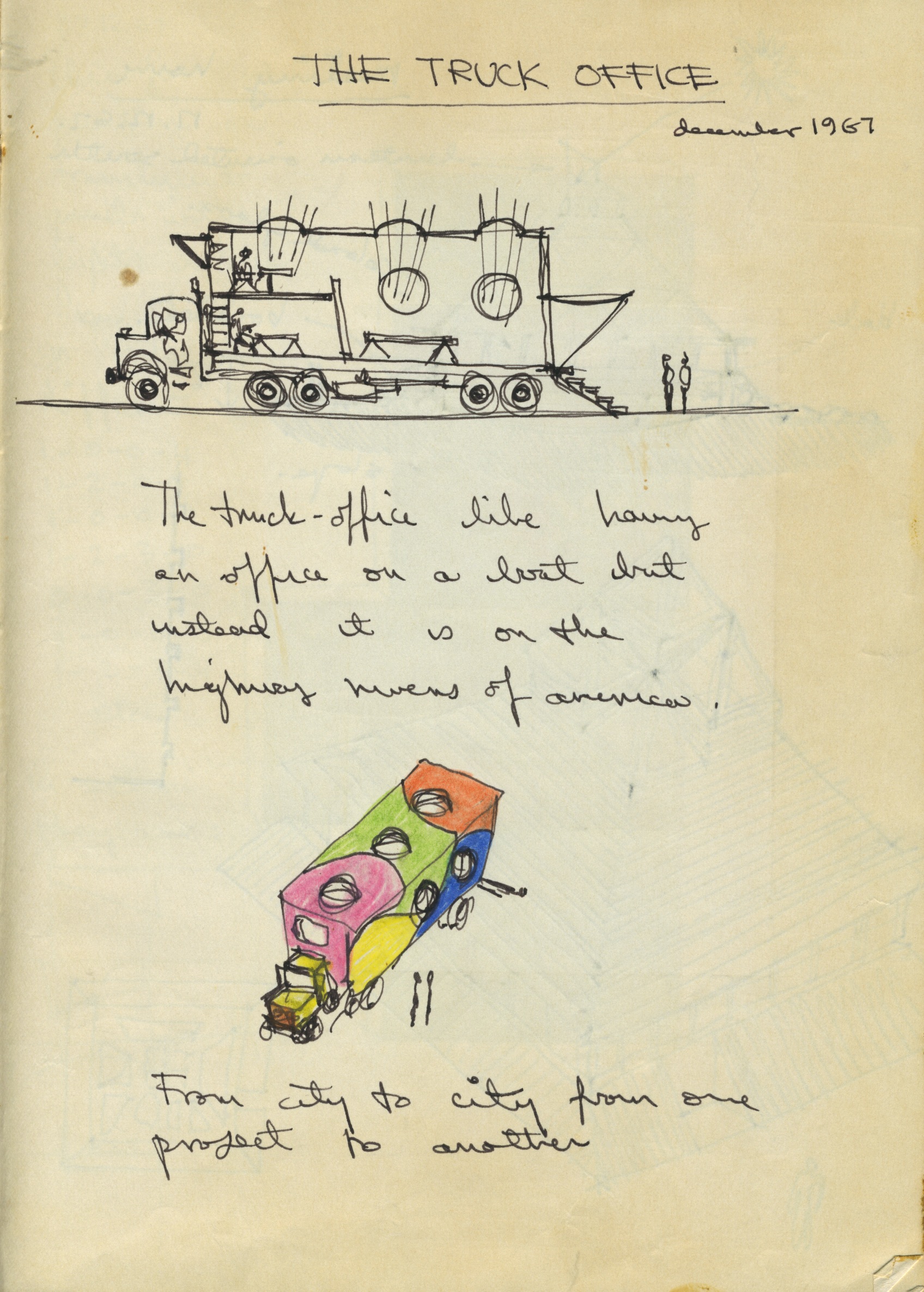
truck officeWhen I was a freshly-minted architect I had no commissions, so naturally I fantasized about having an office. My imaginary studio was housed in a truck, with dome skylights and windows, and a loft at one end. “The truck-office like having an office on a boat but instead it is on the highway rivers of America,” I wrote in my sketchbook. “From city to city from one project to another.” My sketch shows two figures standing outside the entrance–I suppose they were meant to be clients. I had read about Ralph Erskine’s office in Sweden, a converted barge that was moored near Stockholm during the winter,

Read more