FROM GRITS TO GRANADA

I spent a weekend in Seaside, the emblematic small beach town that launched a thousand traditional neighborhood developments. Seaside is now more than thirty years old and looks it—in a good way. It is not merely a question of mature landscaping and weathered materials, but also of the indefinable small adjustments that take place when a place grows into itself. Unexpected things have happened, of course, not least a real estate bonanza. At Seaside, modest wood-frame houses on small lots regularly go for well over a million dollars. A beachside house designed by the late Aldo Rossi—nothing spectacular—is on the market for $11 million.
Read more

CITY OF TOWERS

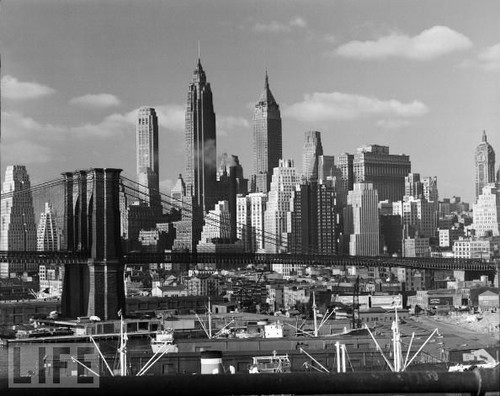
black,,,white,fourties,new,york,skyline-16bd1ca2f6129d450b03b959aa0e59a4_hThere was a Q and A after my Landmark West! lecture on New York’s Upper West Side. One person wanted to know what I thought about the exceptionally tall residential towers that are radically changing Midtown’s skyline. One57, Christian de Portzamparc’s skinny 75-story condominium, under construction on West 57th Street is an example. I’ve written about this new trend. The current phenomenon is a function of globalization and real estate, and has little to do with  architecture. But, then, that was always the case with Manhattan. As late as the 1940s, the high-rise real estate development projects of numerous entrepreneurs produced a memorable skyline: animated,

Read more

SPIRE. NOT.

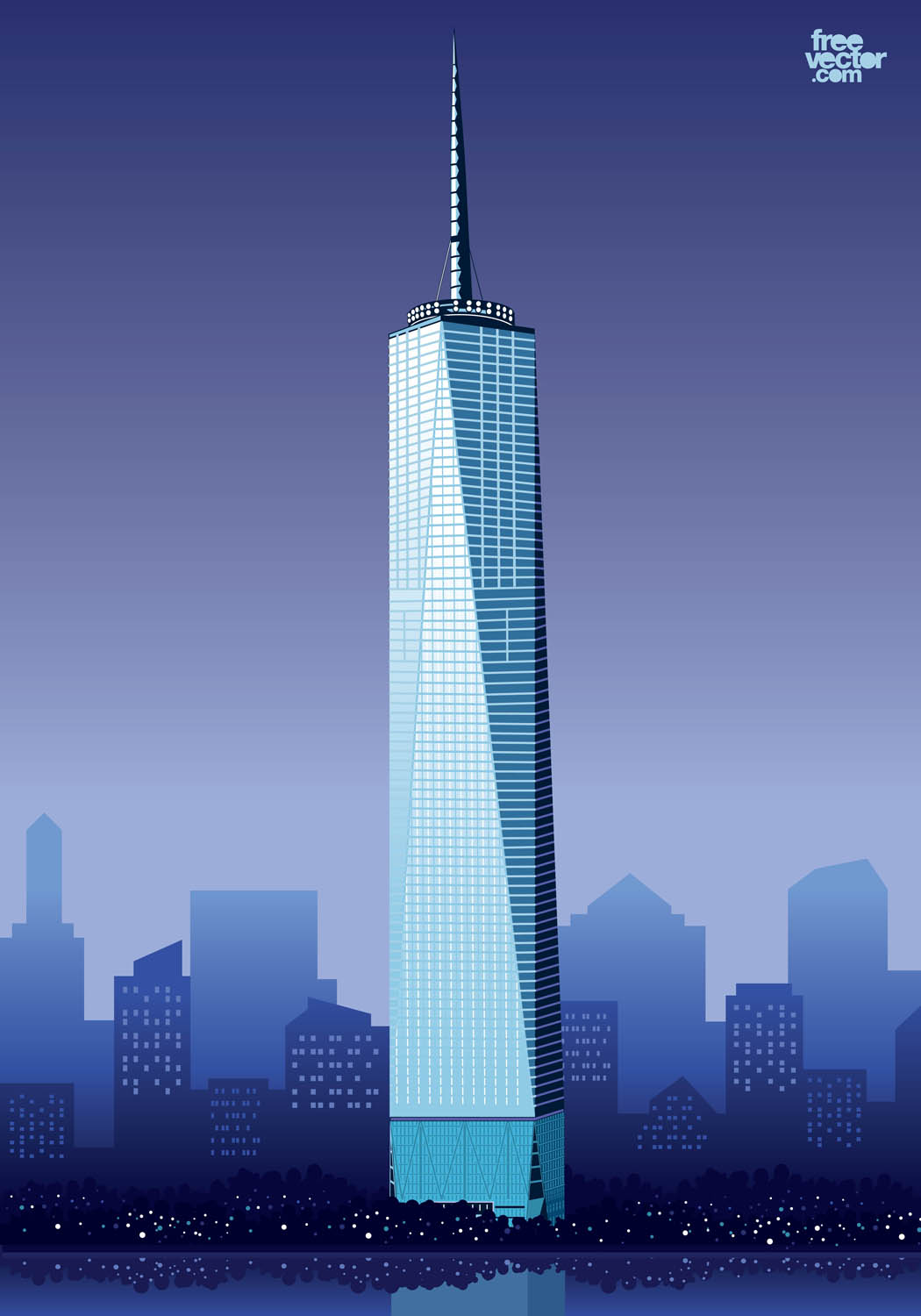
FreeVector-One-World-Trade-CenterThere are many problems with 1, World Center, its brutal and uninspiring silhouette, the rather bland curtain wall (that of 7, World Trade Center, by the same architects (SOM), is much better), its weak-kneed mast. But what scuttles it as a skyscraper is the chamfered geometry of its form. It leads the eye up and down at the same time. Towers should soar; in this one, the upward thrust of one facade is cancelled out by the downward thrust of the next. As a result it looks like an object, rather than a spire.

Read more

THE FARGO GIG

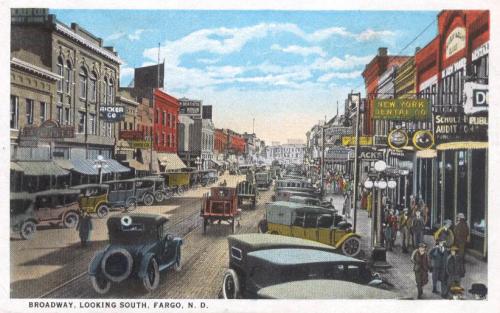
Broadway, Looking South, Fargo, North Dakota 1920s.previewAs this postcard shows, downtown Fargo, North Dakota in 1924 was a busy place. Broadway is not as crowded today, but it’s much more lively than when I was here last, more than 20 years ago. The North Dakota energy boom is taking place a two-and-a-half hour drive away, but in some ineffable way the prosperity has trickled down. I am told that real estate values are way up, and apartment builders can’t keep up with demand. The architecture school of North Dakota State University is celebrating its centennial and I am giving a keynote talk tonight at the Fargo Theater.

Read more

TWINKLE, TWINKLE LITTLE STAR

AT&TThe on-going public debate about starchitects, in part prompted by my piece in the New York Times, was not elevated by James Russell’s judgement that the debate was “stupid.” Another common reaction was to affirm that the term itself is meaningless—if not actually a put-down. There have always been architectural stars, the argument goes, Palladio, or Bernini, or whoever. It is true that there have always been well-known architects, even celebrity architects, but the starchitect phenomenon is different. The term is an accurate description of a certain (small) category of practitioners today.

Read more

THE CLEAN-UP CREW

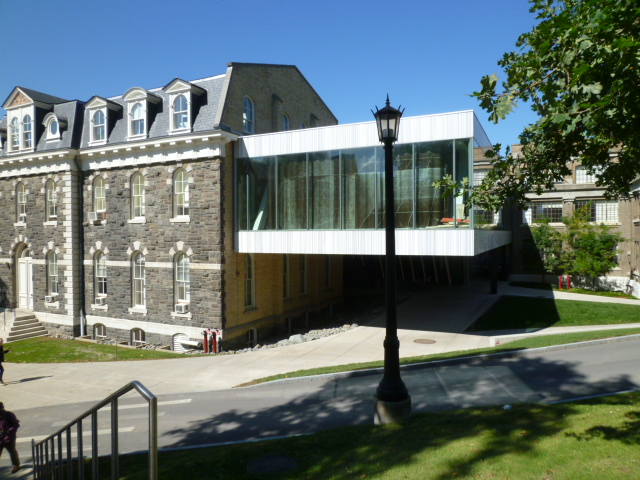
P1010782Milstein Hall, an addition to the College of Architecture, Art and Planning at Cornell designed by Rem Koolhaas, received an AIA Honor Award in 2013. The jury commented that “The dramatic insertion of the new program in relationship to the existing buildings and site creates exciting new conditions while posing a series of creative opportunities for future uses and artistic additions by the college.” I was in the building earlier this week to give a lecture, and I must admit that I was puzzled by the award. The boxy wing makes an awkward appendage to the old building.

Read more

THE EVER-PRESENT PAST

I am speaking at an architectural conference in Charleston. The participants are architects who design custom houses, and many of the presentations highlght the difference between traditional and modern design, since so many custom houses fall into the first category. At one point, a member of the audience (somewhat impatiently) points out that if this were a meeting of fashion designers, or industrial designers, the distinction would not arise; the implication is that we would be discussing only “the latest thing.” Of course, I thought to myself, that’s because fashion and consumer products are so fleeting. There is no tradition of the laptop;

Read more

DIGGING DEEP

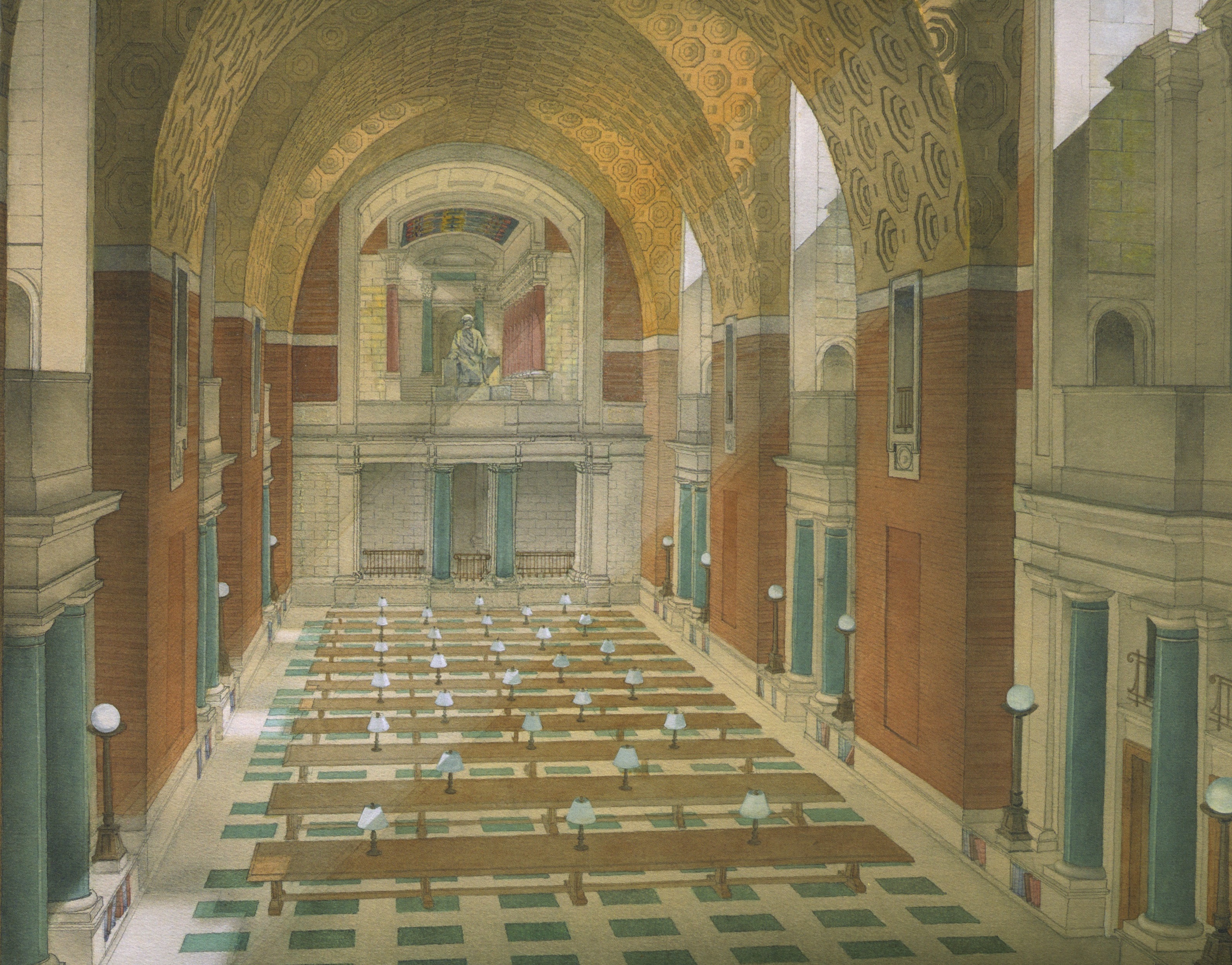
NYPL 1Peter Pennoyer and Sam Roche have recently unveiled a counterproposal for expanding the New York Public library that preserves the stacks intact and extends the library underneath the Terrace in Bryant Park. Many will be caught up short by the architectural style of the addition which is as unlike the Foster + Partners proposal as oil and water. Critics of the Foster design likened its slick but characterless atmosphere to that of a chain bookstore. Well, the Pennoyer/Roch design certainly doesn’t look like a store, unless it is the late-lamented Scribners Bookstore on Fifth Avenue. More important is that the scheme shows a alternative strategy to enlarging Carrère &

Read more