SHORT LIFE

I read an amazing (for me) fact recently. A participant in a Getty Center colloquium on building preservation casually observed that the life cycle of conventionally built (masonry and wood) buildings is about 120 years (before major repairs), whereas for modernist buildings it is only half that time—sixty years. Consider Yale’s masterpieces of the 1960s: Louis Kahn’s art gallery, Paul Rudolph’s A & A, Eero Saarinen’s colleges. They have all recently undergone major renovation, at a cost far exceeding the original construction cost. In the words of  Yale dean, Robert A. M. Stern, “They cost pennies to build and millions to renovate.”

Sixty years!
Read more

TOO MANY COOKS

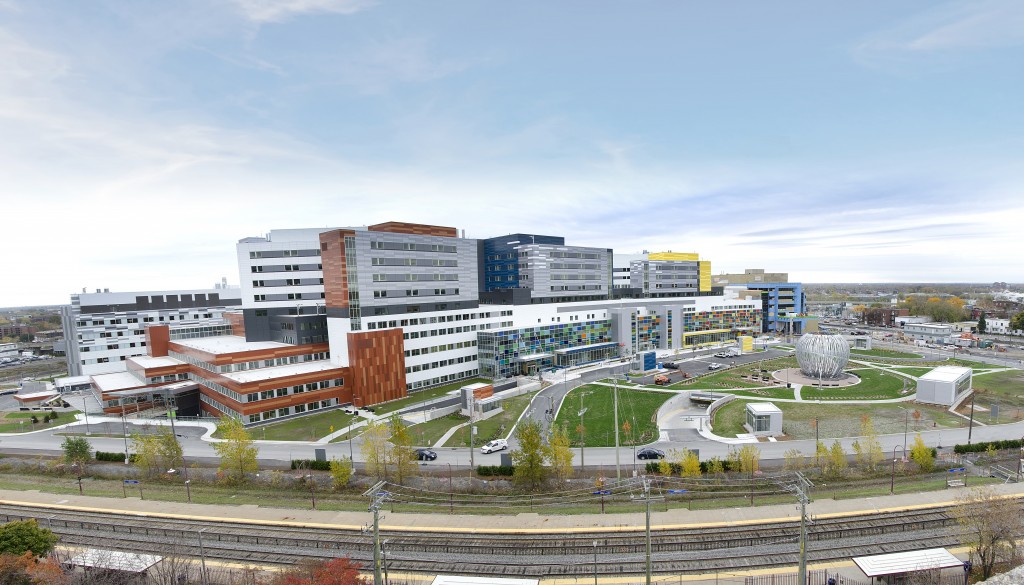
NEW-PANORAMIC-Glen-blue-sky-1024x585The current copy of my alumni magazine, McGill News, contains an article on the university’s new health center, a 2.5 million square-foot behemoth that consolidates no less than four existing health facilities. It’s hard to characterize this building, other than to say that it is big. The article does not identify the architect. Perhaps because this particular broth had so many cooks. The health center was built by a public-private partnership, that is, the building was designed, built, and financed by a private consortium, a process increasingly popular for public as well as private buildings.

Read more

FOLLIES


The architectural folly has a long history. James Wyatt designed Broadway Tower in the Cotswalds in 1794. While it was more or less habitable—William Morris and Edward Burne-Jones rented it as a studio for a time—it was not primarily intended to be a functional shelter. It was an architectural whimsy—and understood as such. It struck me the other day that we take our follies much too seriously. Philip Johnson’s Glass House, for example, is a stereotypical folly: impractical, unusable in extreme weather (it lacks proper ventilation and insect screens),

Read more

DOM

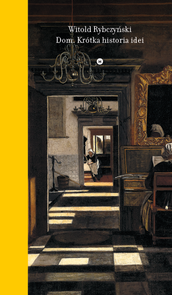
small_RYBCZY_SKI__Dom_-_ok_adka_96_dpiThe Cracow publisher, Karakter, has re-issued a Polish translation of Home. This is the thirteenth foreign edition of the book, which originally appeared in 1986. The Polish translation was the work of my late aunt, Krystyna Husarska.

Read more

CATEGORY I AND CATEGORY II


You can divide residential architects into two categories: those who design for their clients, and those who design for their colleagues. When the work of Category I is published, it is in mass market magazines such as Architectural Digest and Elle Decor; the work of Category II appears in professional journals and architectural monographs. These are read by  architecture students, which may be why Category IIers tend to be invited to teach.

Read more

THE FORM TIE DETAIL

serveimage


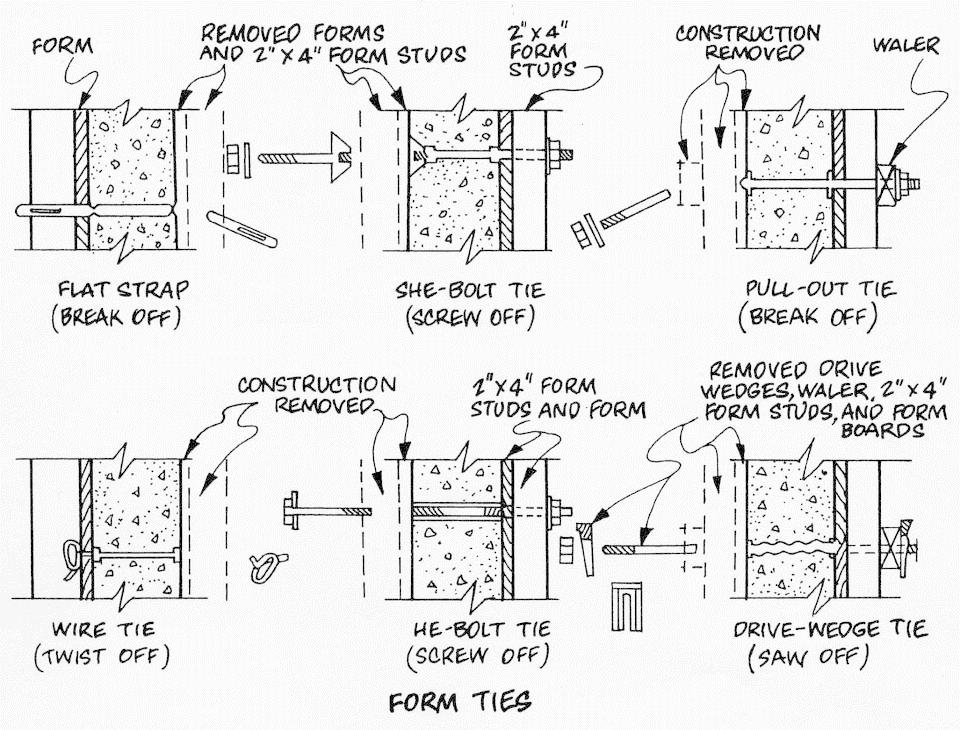
Corbusier was the first architect to use cast-in-place concrete as exterior (and interior) cladding, probably in the Unité d’habitation (1946-62) in Marseilles. The Unité was actually hybrid construction, consisting of cast-in place and precast concrete as well as a steel frame. By the time he built the Shodhan house (1956) in Ahmedabad, he was using exposed cast-in-place concrete throughout. Concrete formwork must be designed to resist the pressure of the heavy concrete until it sets. The cheapest way to do this is to use form ties—wire ties that hold the two pieces of formwork together;

Read more

BAD NEWS, GOOD NEWS

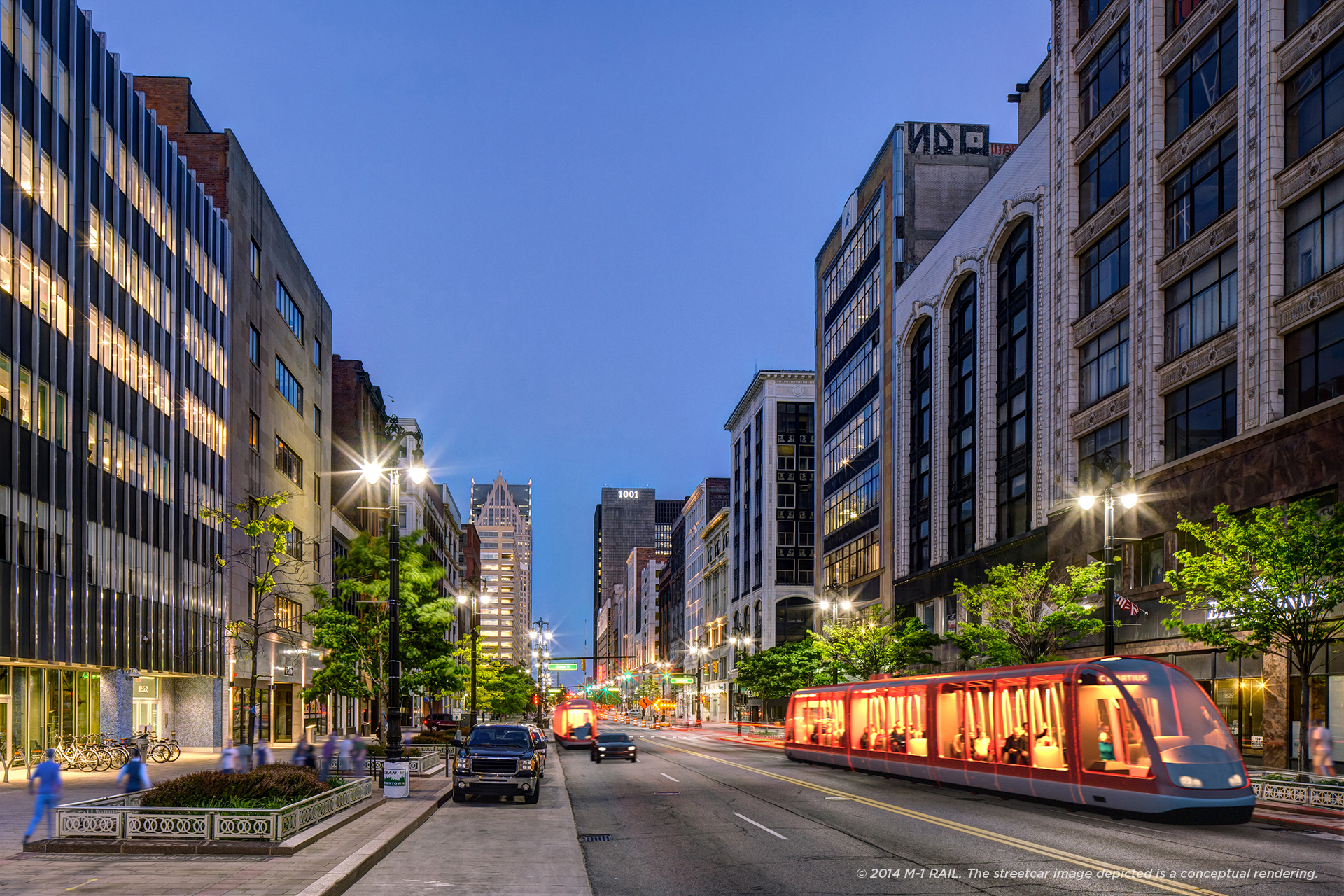
serveimage-2I just came across an advertisement from JP Morgan Chase in the Atlantic. “What the rebuilding of Detroit can teach us” was the tag line. What caught my eye was the accompanying photograph of a downtown scene with a futuristic-looking streetcar rolling down the street. It looked like one of those hi-tech jobs one sees in German or Swiss cities. A closer look at the small type revealed that this was a “rendering,” what used to be called an “artist’s conception,” before PhotoShop made such images entirely lifelike. The so-called M1 line is currently under construction; it will run all of 3.3 miles.

Read more

YO MAMMA

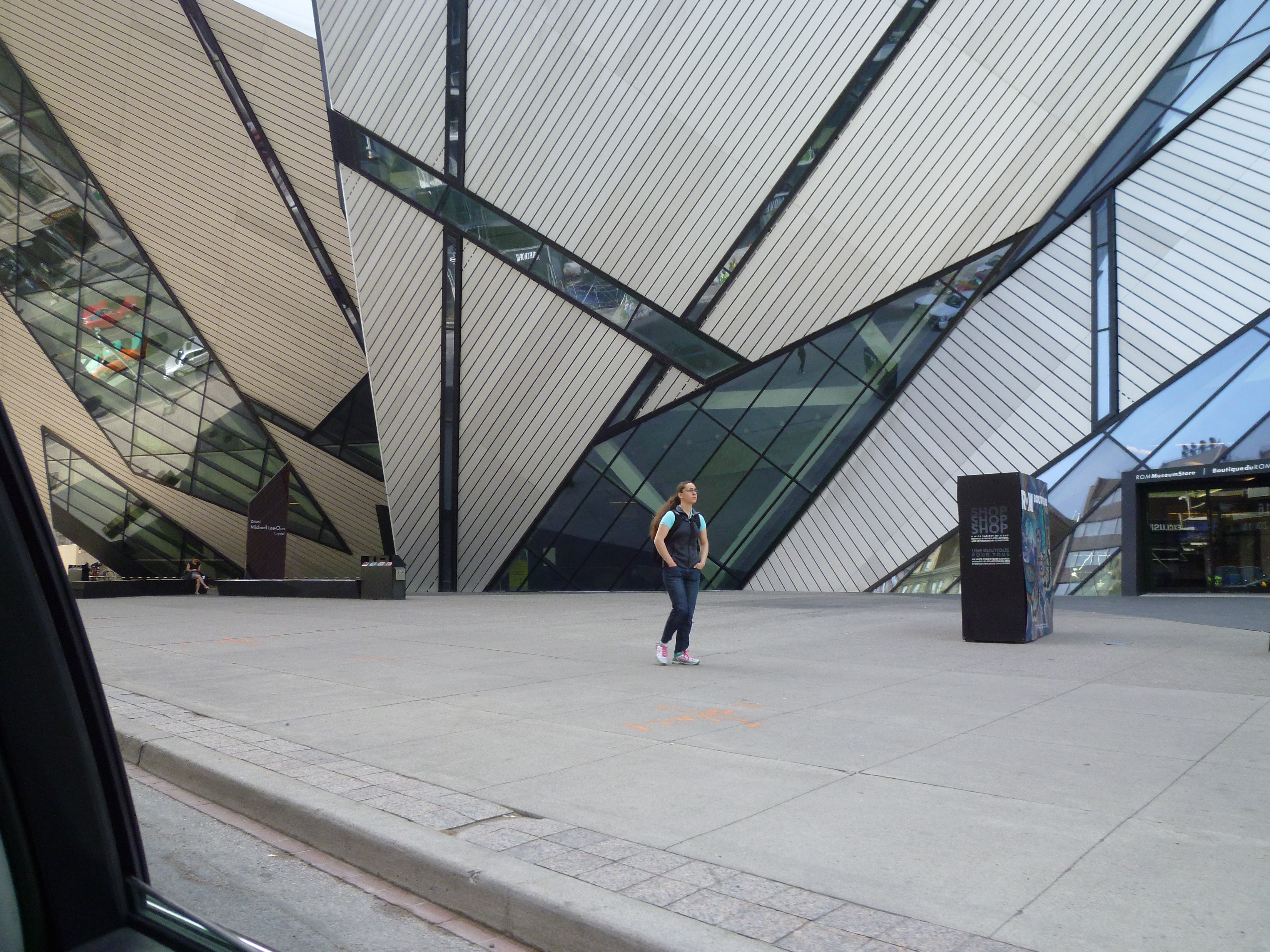
P1020218Vitruvius called architecture the mother of the arts. He meant that it encompassed the other arts—both physically, as in temple architecture, and chronologically. I  think that the maternal analogy was also meant to distance architecture from its more exuberant offspring, painting and sculpture;  “mother” implied a certain reserve and gravitas. Today, as Peter Buchanan writes in Architectural Review, the mother of the arts “has become reduced to superfluous spectacle.” A few days ago I saw Daniel Libeskind’s addition to the Royal Ontario Museum in Toronto. “The Crystal” summons up images of delicate transparency,

Read more