LIVES OF THE ARCHITECTS

serveimage“Architecture is the picture frame and not the picture” is a memorable quote attributed to the mid-century California modernist, William Wurster. Wurster, a notable teacher as well as an architect, was reminding his students that architecture is always a setting, not the main event. I thought of Wurster’s observation recently when I was writing an essay for Architect on the challenges of architectural biography. Why are there so few first-rate biographies of architects, I asked? Or, to put it another way, why don’t first-rate biographers such as David McCullough, Edmund Morris, and Walter Isaacson,
Read more

ARCHITECTURE AHOY

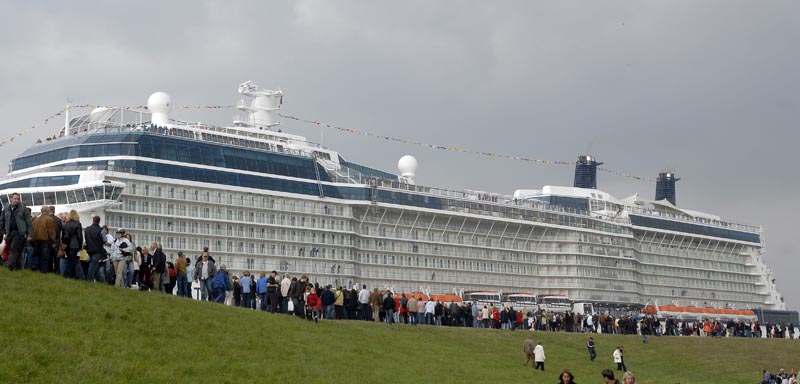
New Celebrity Solstice Launched On Maiden VoyageArchitects such as Norman Foster, Frank Gehry, and Zaha Hadid have been commissioned to design luxury yachts, but it is cruise ships that beg for an architect’s touch. In fact, these maritime behemoths already resemble buildings—very big buildings. Granted their designs are generally banal, but it is easy to imagine them styled by high-fashion architects. This would solve another pressing problem. Every city seems to want an iconic building designed by a starchitect. Now they could lease a floating icon instead of saddling themselves with a potential permanent eyesore. One can imagine the waterfront of Dubai,

Read more

THAT’S ENTERTAINMENT

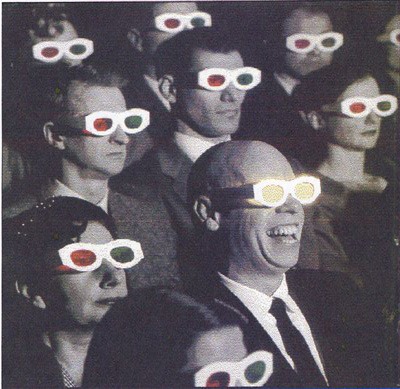
serveimageI was complaining to my friend Anthony Alofsin the other day about the current tendency to review buildings as if they were movies, that is, as if they could be digested at one sitting rather than over an extended period of time. “Reviewing the latest as the greatest fits into the mode of consumer entertainment,” he responded in an email. “Like, which Netflix special do I see next? Unfortunately, it is the current moment that sells and is in demand,  not the long view.” He is exactly right. The infatuation with the “current moment” explains why as-yet unbuilt projects receive so much attention.

Read more

CONTEMPORIZE

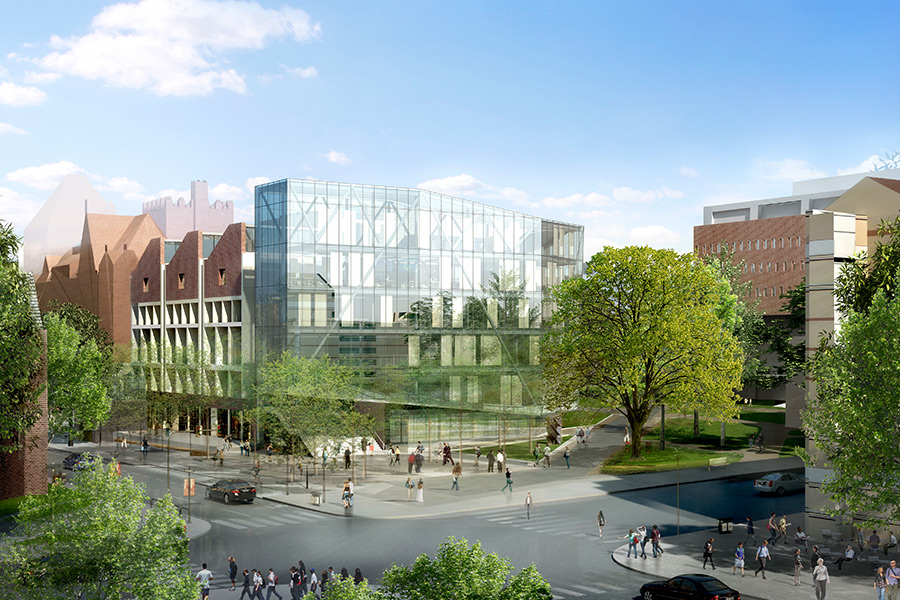
34th-&-Walnut_Phase-2_Transparent-TreesI heard a word the other day that brought me up short: contemporize. It was uttered by an architect who was describing a university building of the late 1960s that was being renovated. He was not referring to the updating of mechanical and environmental systems—that happens all the time in older buildings—he was describing changes to the architecture itself. The undistinguished Sixties building is mainly brick and concrete. In this case, contemporizing—an ugly invented word—seemed to consist of adding as much glass as possible. Glass is the materiel du jour; it is transparent,

Read more

NOAH’S ARK

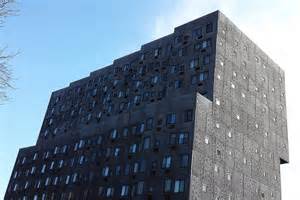
serveimageI came across a new term the other day: NOAH. It stands for “naturally occurring affordable housing” and it was coined by Howard Husock and Alex Armlovich of the Manhattan Institute. Their paper is focused on New York City, specifically Mayor Di Blasio’s plan to build 80,000 new “permanently affordable” rental units over ten years. The researchers found that there are almost 50,000 NOAHs already in existence, that is, “apartments that overlap in price with the mayor’s affordability targets but that are currently available and require no additional government investment.” These apartments are in less expensive parts of the city,

Read more

WHAT’S TO LOVE?

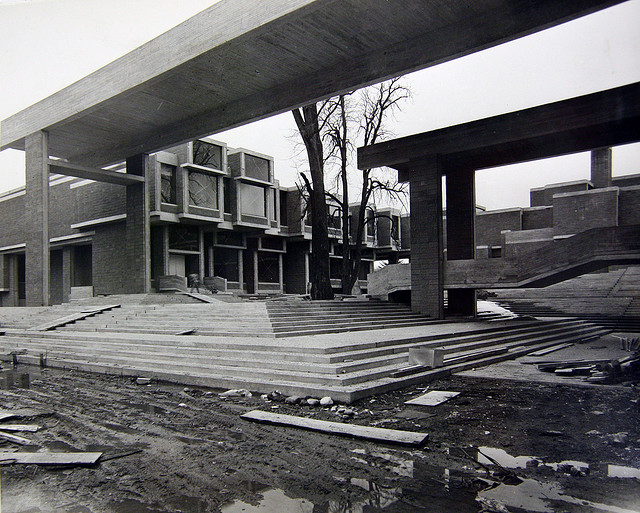
serveimageLike most people I am dismayed at the demolition of Paul Rudolph’s Orange County Government Center. But I am more dismayed by the thought that we have not learned the lesson that this Sixties building has to teach. Rudolph often stepped over the line between expression and functionality, and any designer who does so should not be surprised that his/her artifact does not gain the affection of its users. I still have my old wooden swivel office chair, but my Wassily Chair is long gone. There is another lesson that the Orange County building should teach us.

Read more

VISUAL POLLUTION

I came across an online lecture at a design conference by the British product designer Jasper Morrison recently, and I was struck by one of his statements. “As designers, we are responsible for our environment, and filling it with amazing shapes and forms and surprising expressions of our genius, doesn’t make a very good atmosphere. In fact, to me it’s becoming a kind of visual pollution.” Morrison was talking about housewares, appliances and chairs, but he could have been describing buildings. The pressure on architects to produce new and exciting forms that will attract the attention of the media has had a distorting and negative effect on the field—visual pollution,

Read more

THE MASTER BUILDER

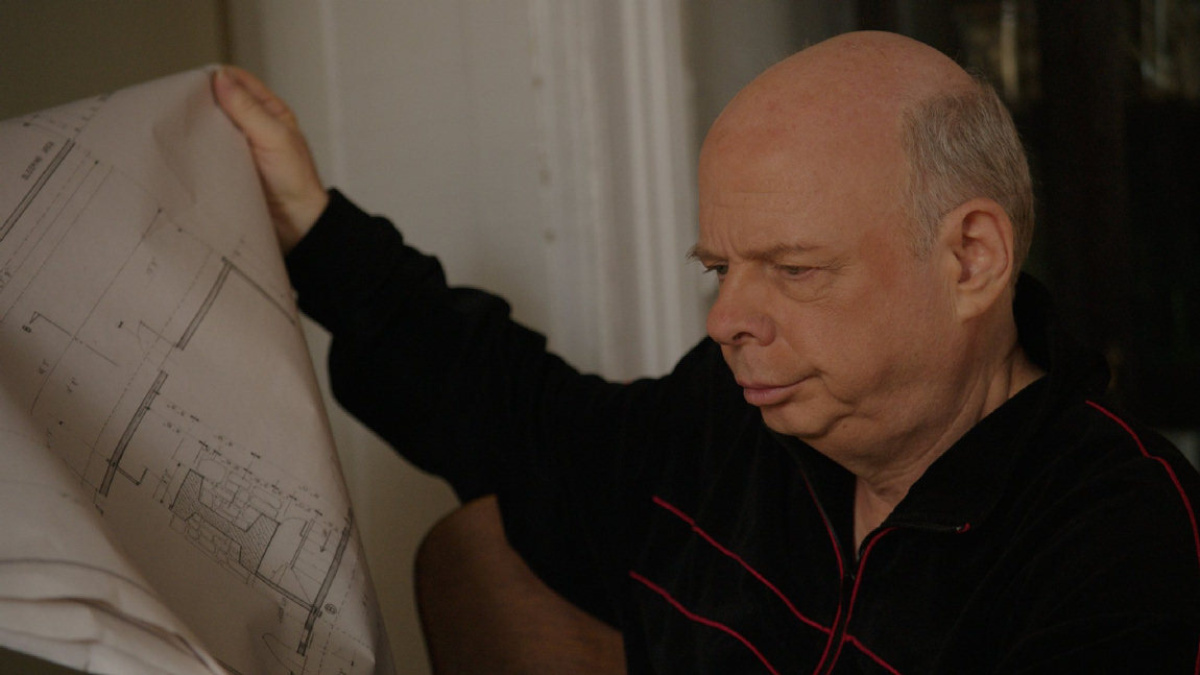
MailmasterWatched Jonathan Demme’s film version of Ibsen’s A Master Builder the other evening. What struck me was Wallace Shawn in the title role, a combination of charm and egoism that, in my experience, is typical of most successful architects. Charm is required to convince clients, review panels, and community boards of the merits of one’s case; egoism is required to convince oneself of the merits of an as-yet unbuilt, perhaps untried, idea. I have never been convinced by the cinematic portrayal of architects—Gary Cooper in The Fountainhead, Paul Newman in Towering Inferno,

Read more